-
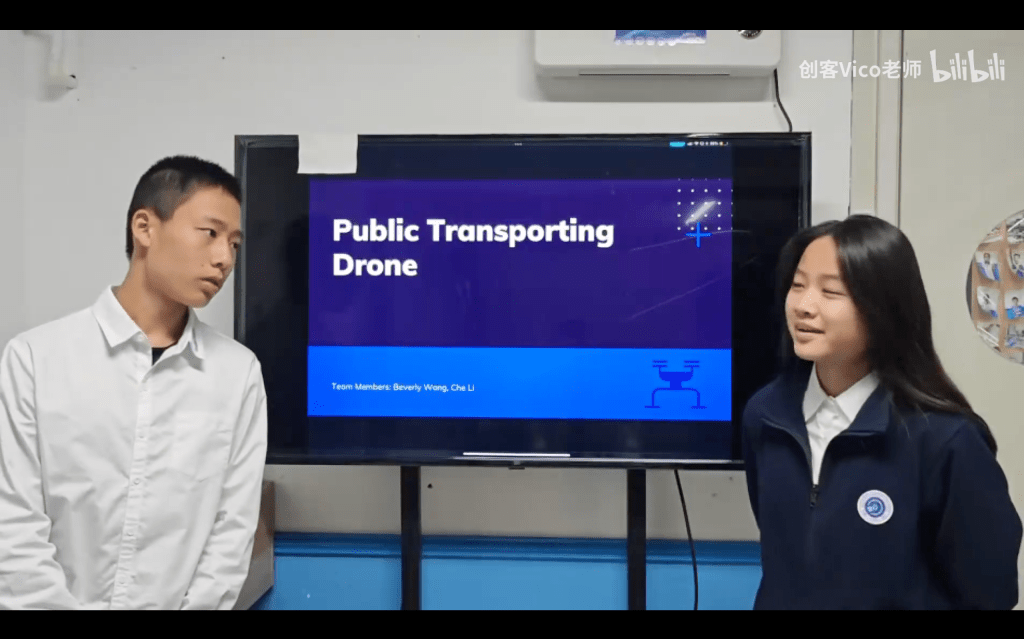
Public Transporting Drone

Traffict & Transit
Despite the investments made on roads, and highways. Traffic remains a major problem.In China’s cities, the Peak Congestion Index reached 2.05, meaning drivers took 2x the time to drive the same distance.
-Higher Carbon Emission
-Time Wasted
-More Accidents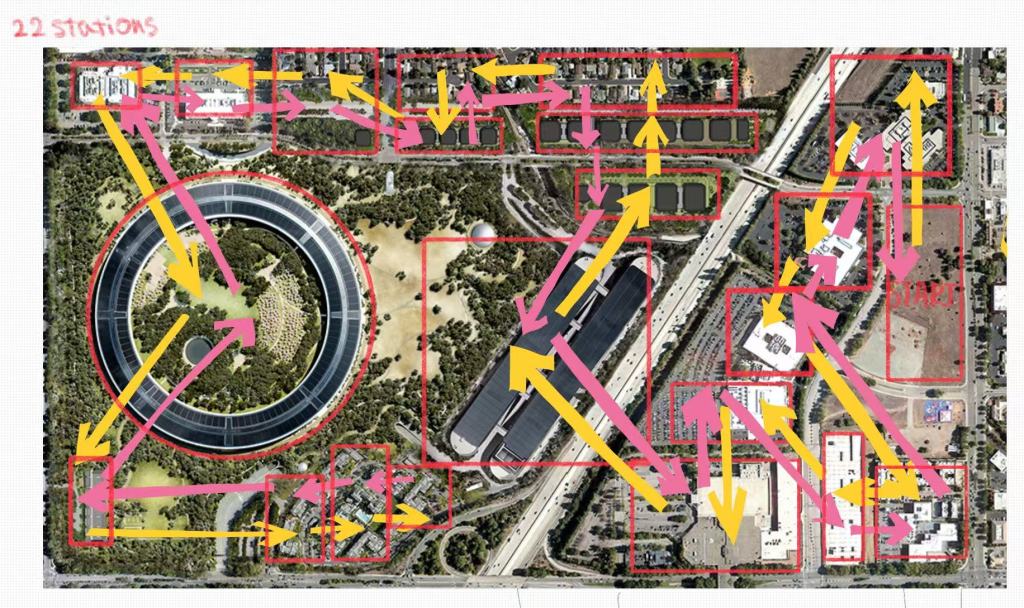
Existing Alternatives
1)EHang 184
Technology:
– fly 100 kilometres an hour, has a 25 minute flight time
– Unmanned flight features
– 4G/5G high-speed wireless network transmission linksExpected Price:
$200,000—$300,0002)Workhorse Surefly passenger drone
Technology:
four propeller arms, two fixed contra-rotating propellers on each arm; and a backup lithium battery pack to drive the electric motors in the event of engine failure.
Anticipated Market:
precision agriculture, surveillance, aerial inspection, emergency response tasks, urban commuting and various military applications.Expected Price:
$200,000Solution Fast Transit
1)Fast Transit
Highways between cities are often bogged down by traffic, VTOL aircraft are able to bypass this and reduce the time needed to travel between cities
2)Acess to Rural areas
Without infrastructure, many rural communities are Isolated from the rest of the world, vtol aircraft can operate in such areas
3)Enviromentaly Friendly
The vehicle is a fully electric, and utilizes a set of large lithium-ion batteries.
– Zero-Carbon Emissionfrom the vehicle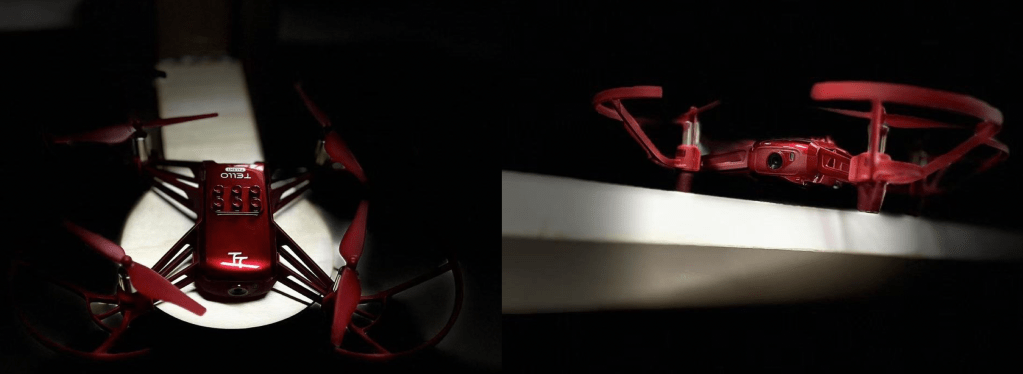
Key Metrics
1)Efficiency
– How many people can the vehicle hold?
– How long will it take to charge?2)Automation
How much of the process can be automated?
How efficient is the automation?
How reliable it it?
Can we automate the charging process?3)Safety
What measures are in place during a crash?
– What damage will it do its surroundings?
– How high is the survivability of passengers when flight systems fail?
What measures are in place to prevent a Crash?Unique Value Proposition
1)System
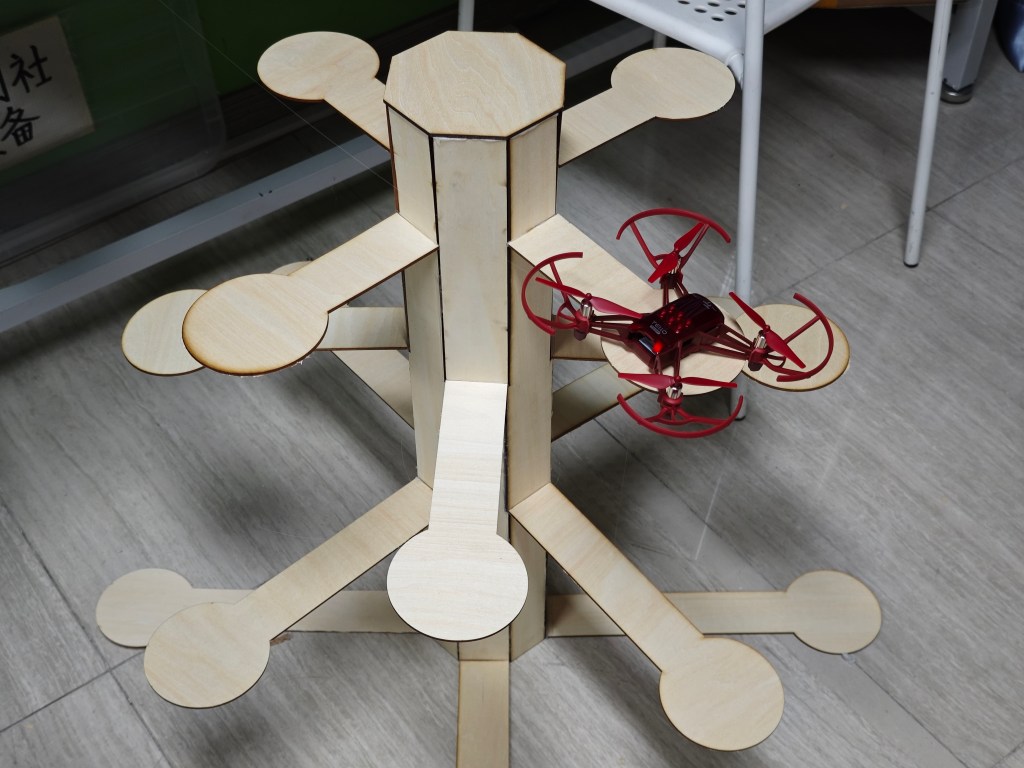
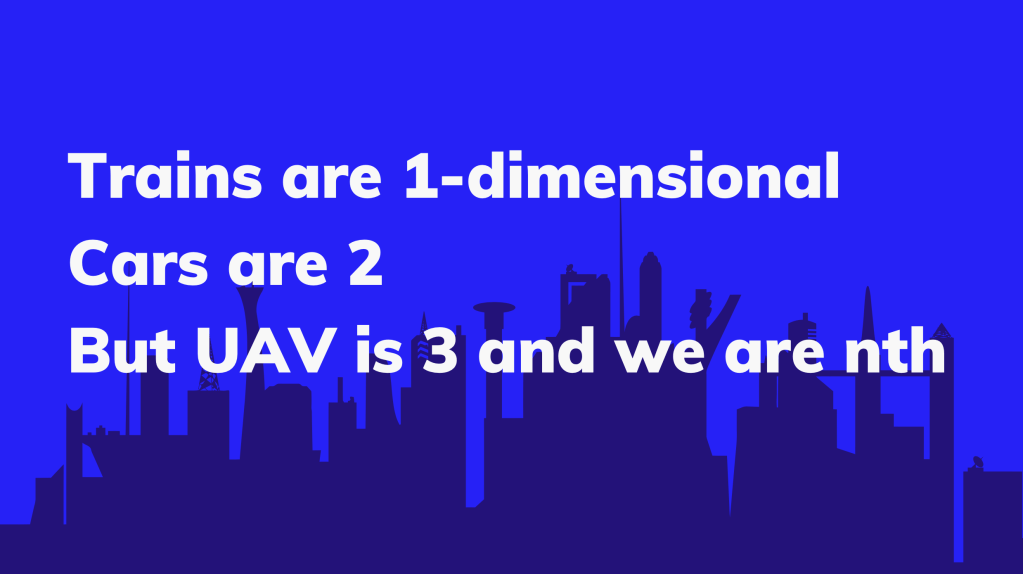
The public transporting drone has been systematized that connecting in a part of a public drone system, which includes drones, central stations, and sub-stations. The system has a 3D structure, which has advantages over the bus or train transit system. Therefore, the system does not need to establishing any physical roads or routes.2)Structure (Ensuring Safety)
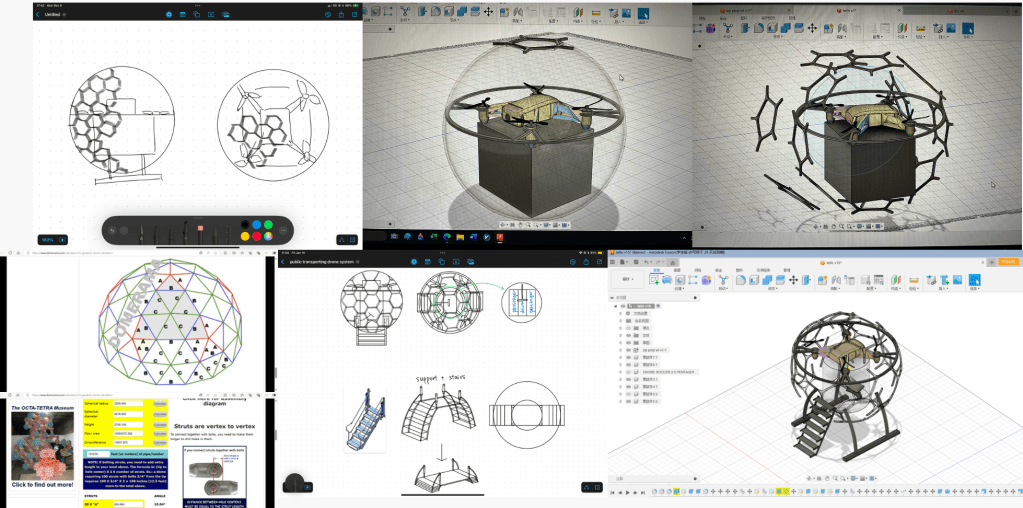
Utilizing the structure of drone soccer to make the drone more flexible. If the drone accidentally falls, it is equivalent to having a buffer. Helicopters improve safety by avoiding crashes, and the drone have established a protection system, and even if they fall, people are protected by the sphere.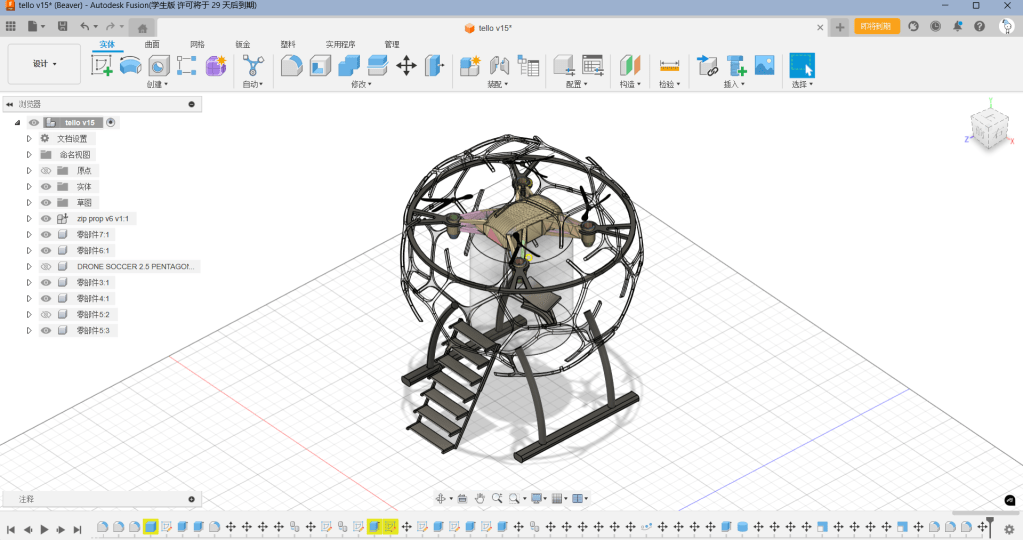
Sustainable Advantage
Hypothesis:
If individuals and businesses copy from our innovation, there is no potential harm, but it helps society and provides more value.Channels
(How will our passengers utilize UAV?)1)Tickets
Tickets are bought through an mini-programs, passengers only need to travel to stations in cities or designated landing places in rural areas.2)Marketing
UAV will be sold as a cheap, safe, and fast travel method. Special Emphasis on the speed, and safety of the system.Customer Segments
– Main Customers
Governments
People in Rural Regions
Commuters in cities
Refugees trying to cross borderEarly Adopters
1)Government
For civil infrastructure projects, especially in developing countries with limited infrastructure.2)Companies working in Rural Areas
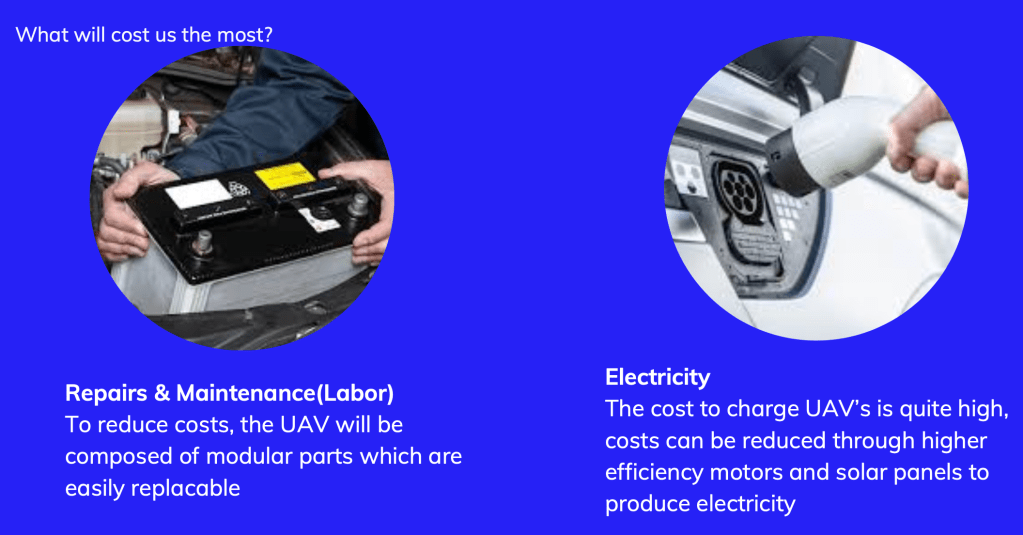
Companies will need ways to transport goods and workers safely & quickly to rural areas lacking access to roads.Significant Costs
Revenue Streams
Key sources of Revenue1)Goverments
Governments subsidize UAV projects to build civil transport infrastructureMonthly or Quarterly Investor Update.
2)Advertisement
Advertisements on vehicles and on the mini- program will help generate passive revenueMonthly or Quarterly Investor Update.3)Tickets
Tickets people buy to ride on UAV, these tickets will cost different amounts depending on distance.Process
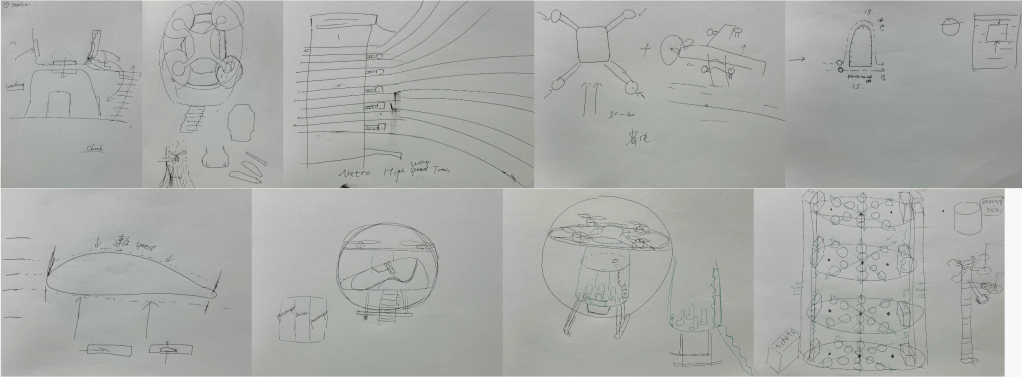
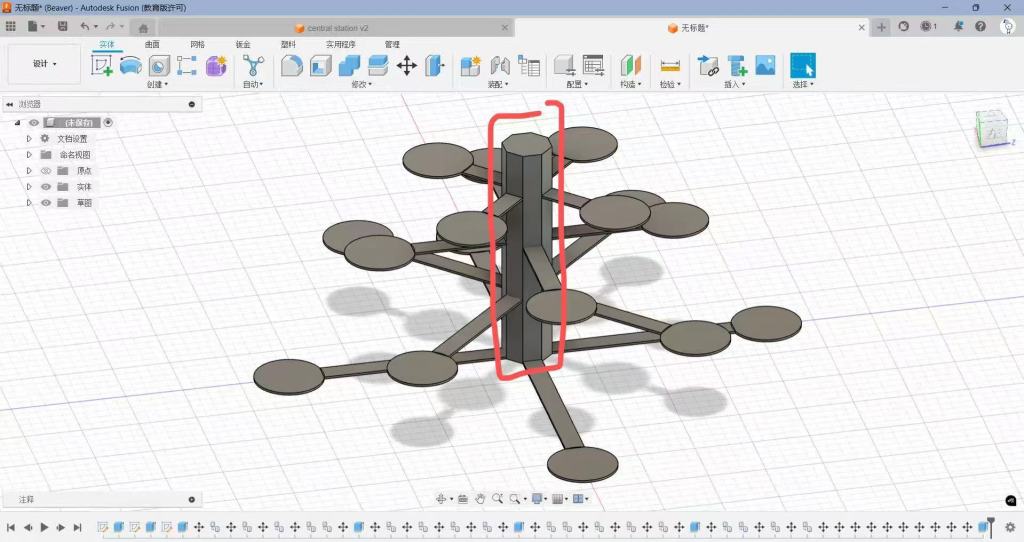
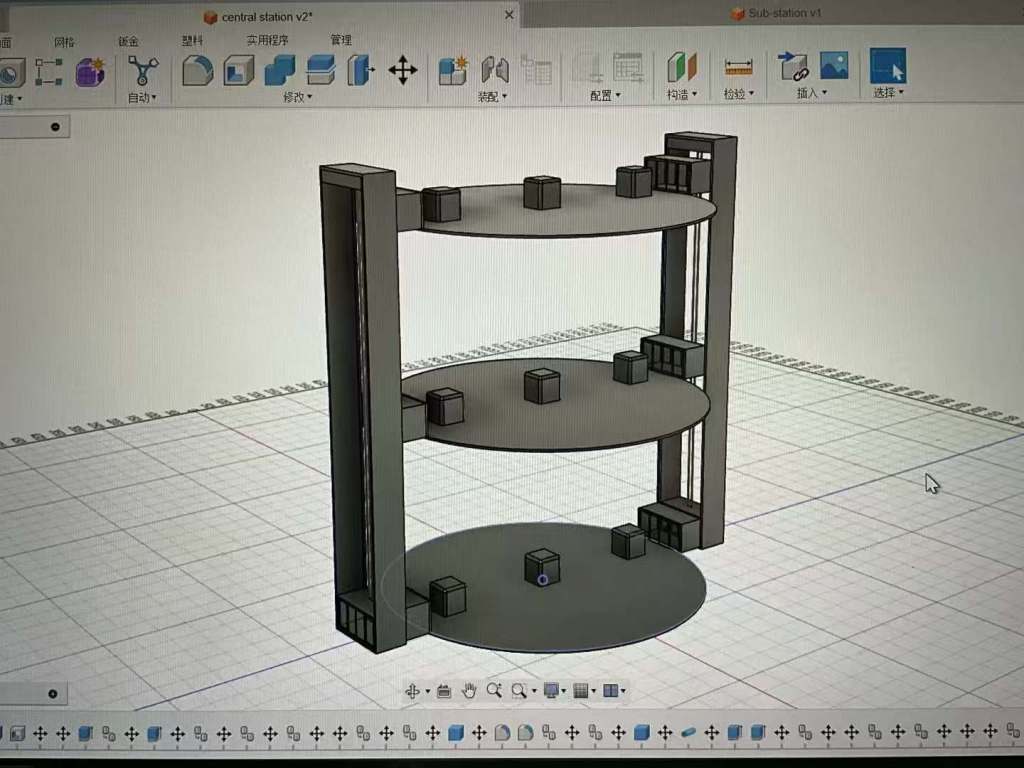
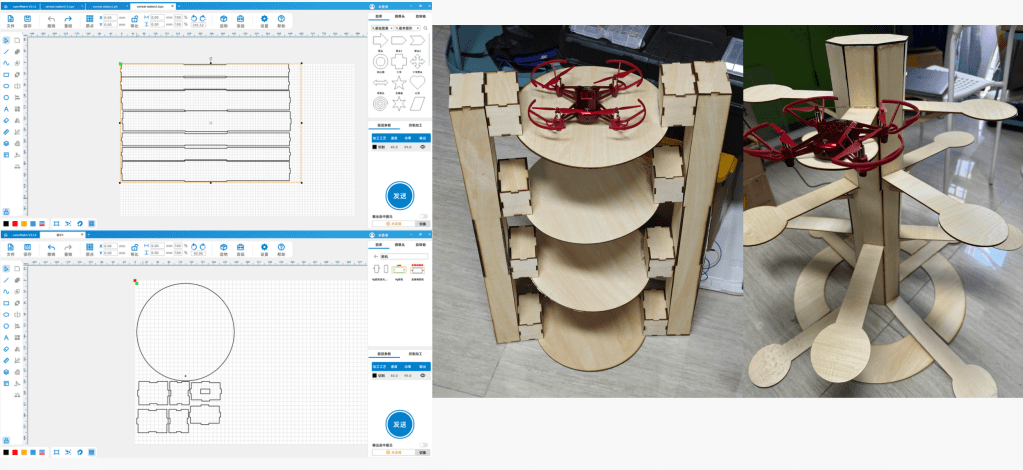
Video Link
https://www.bilibili.com/video/BV1nEcVewE9Q/?vd_source=b4fd13e155ff5167253baa22172405f5
Relevant Information
Project Name:
Public Transporting DroneMember:
王紫宸 WANG ZICHEN
李彻 LI CHEAdvisor:
吴魁WU KUI -
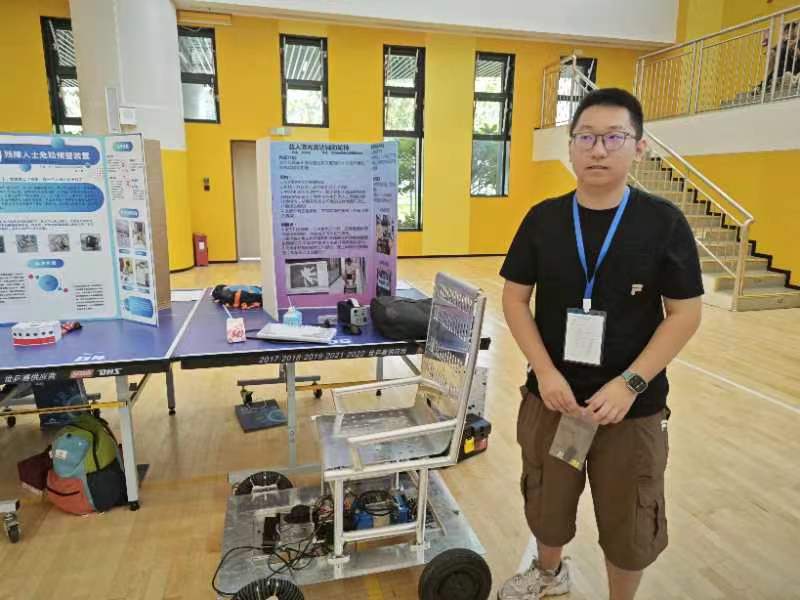
Uranus Wheelchair Kits
1.Project Description
Our innovative wheelchair, with artificial intelligence as the core, is equipped with advanced equipment such as Lidar and binocular cameras to achieve automatic obstacle avoidance, and users can also operate manually. This greatly improves the convenience and safety of travel for people with disabilities, and shows their care for them in details, so that they can integrate into social life more confidently.

For wheelchair-bound or active users, especially those who seek convenient and safe travel, as well as family members who want to improve the quality of life for their loved ones. The business potential is huge, with the development of science and technology and the improvement of people’s pursuit of quality of life, the smart wheelchair market continues to heat up. Through Internet marketing, we accurately reach target customers, which is expected to stand out in the competition, continue to expand market share, and open a new era of intelligent travel.
我们推出的创新轮椅,以人工智能为核心,搭配激光雷达、双目相机等先进设备,实现自动避障,用户也可手动操作。这极大提升了残障人士的出行便利性与安全性,更从细节处彰显了对他们的关怀,让他们能更自信地融入社会生活。
面向有轮椅需求或正使用者,尤其是追求便捷、安全出行的群体,以及希望为亲人改善生活品质的家属。商业潜力巨大,随着科技发展与人们对生活品质追求的提升,智能轮椅市场持续升温。我们通过互联网营销,精准触达目标客户,有望在竞争中脱颖而出,持续拓展市场份额,开启智能出行新時代。
2.About the Team
(1)As we are all members of the computer science team, we form a team.
(2) Charles is the captain of our team.
(3) Jack.l is responsible for the design and loading of the obstacle avoidance radar
(4) Wesely is responsible for smart tables in smart devices
(5) Iris is responsible for the promotion and log recording of wheelchair smart devices
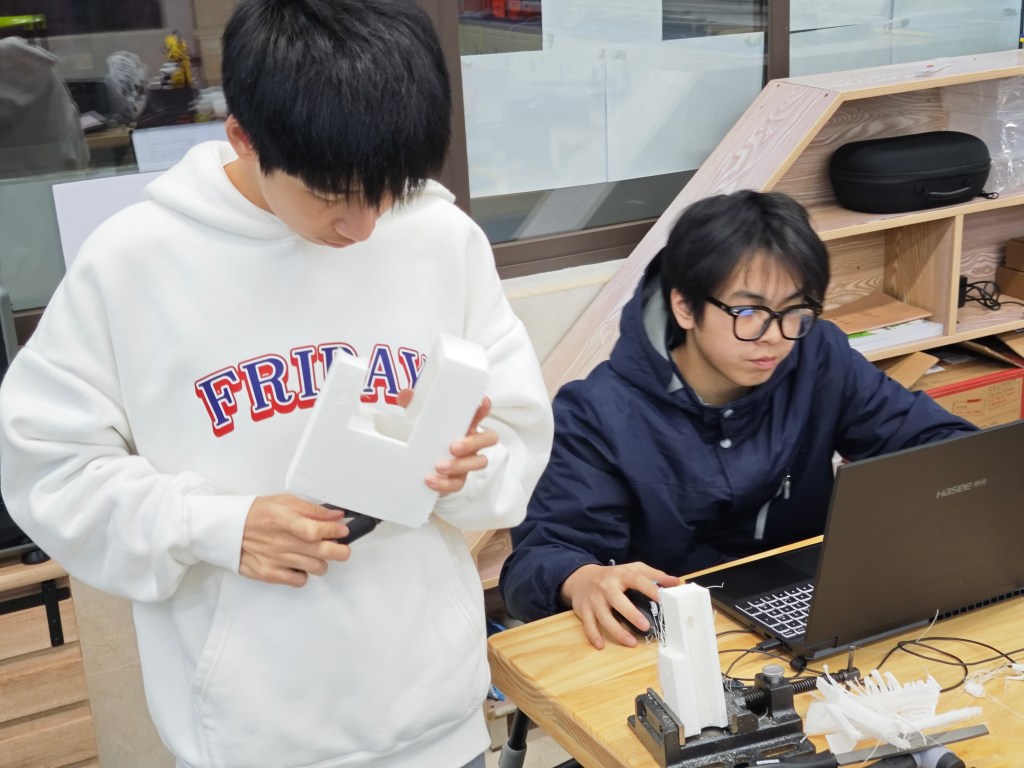
(6) The driving force of our team’s innovation is to make travel safer and more convenient for people with disabilities.Charles is the leader of our team. He is an all-round player, and he has skills in modeling, programming and so on. He is responsible for directing the main direction of the team design, and when there is a disagreement within the team, he will convene all the members and discuss and solve the problem together.
Jack.l is responsible for the design and loading of the obstacle avoidance radar, and he will be the representative of our team to introduce our smart wheelchair device to the judges.
Wesely is responsible for the smart table in the smart device, and he designed the 3d model of the smart table and the loading of the table.
Iris is responsible for the promotion and log recording of the wheelchair smart device, she designed the smart device poster, recorded the progress of every innovation, and also joined the design of the smart table.

(1)因为我们都是computer science的团员,所以我们组成了一个团队。
(2)Charles是我们团队的队长
(3)Jack.l负责避障雷达的设计和装载
(4)Wesely负责智能装置中的智能桌板
(5)Iris负责轮椅智能装置的宣传和日志记录
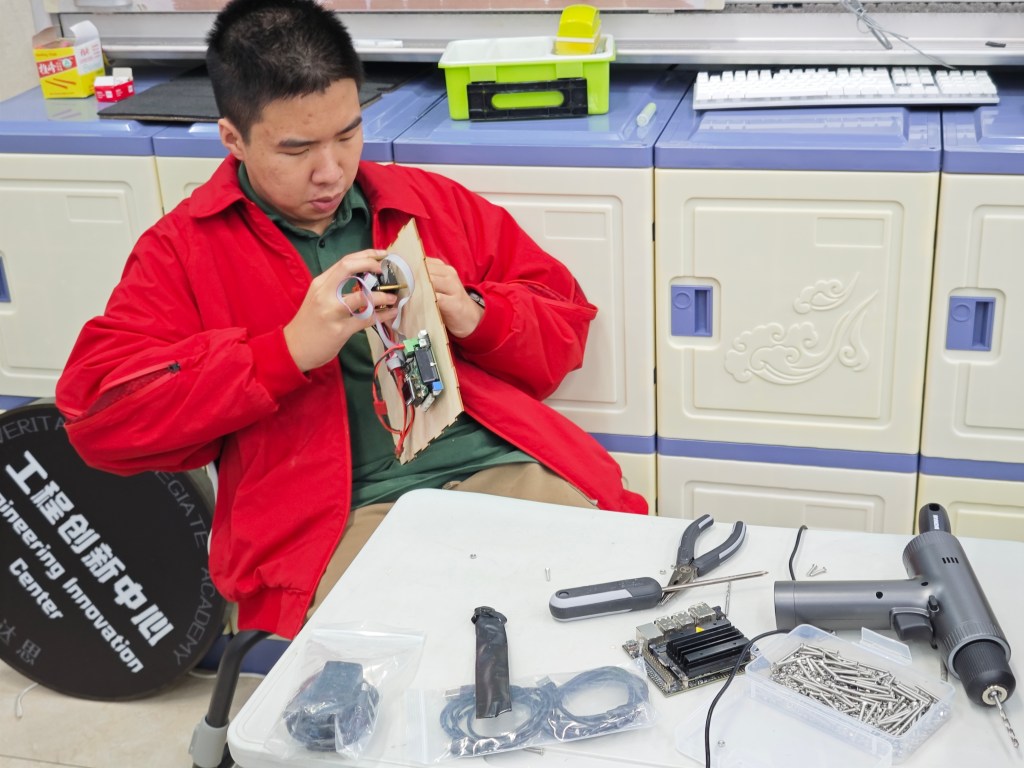
(6)我们团队创新的动力是为了让残疾人的出行更加安全,便利。Charles是我们团队的队长,他是全能选手,他会建模,编程等等的技能,他负责指挥团队设计的主要前进方向,当团队内部出现分歧时他会召集所有人并一起讨论解决问题,他还负责智能轮椅装置的3d打印。
Jack.l负责避障雷达的设计和装载,同时他会作为我们团队的代表向各位评委介绍我们的智能轮椅装置。
Wesely负责智能装置中的智能桌板,他设计了智能桌板的3d模型以及桌板的装载。
Iris负责轮椅智能装置的宣传和日志记录,她设计了智能装置的宣传海报,记录了我们每一次创新的进展,也加入了智能桌板的设计。
Wheelchairs are very important for people with limited mobility, and the contradiction between functionality and portability has always hindered their pursuit of a high quality of life. If the traditional wheelchair is portable, the function is greatly reduced, the user alone in the face of outdoor complex road conditions, such as potholes, sudden appearance of people and cars, because there is no obstacle avoidance function, easy to fall, travel and social constraints; If you want to have more functions, the wheelchair has become cumbersome, the nursing staff has difficulty moving, and the stairs and narrow roads are difficult to pass.
Our carefully developed smart wheelchair device breaks the dilemma. It is versatile, suitable for all kinds of wheelchairs, easy to install and quick, just a few minutes to upgrade the wheelchair. Advanced obstacle avoidance system, relying on high-precision sensors and intelligent algorithms, so that the wheelchair has “perception”, indoor dim corridors, outdoor crowded places, can accurately around the obstacle, to ensure the user free shuttle.
Smart table design is clever, one-click expansion or storage, dining is a stable table, reading has a comfortable inclination, greatly expand the use of the scene, convenience soared.
Built-in GPS positioning, family members can open the mobile phone APP can grasp the user’s location in real time, in case of emergencies can be quick rescue.
Wheelchair remote control function is practical, steep slopes, narrow lanes and other difficult road conditions, others remote control help, travel more smoothly. With its compact construction and new lightweight materials, the wheelchair remains light after installation, perfectly balancing function and portability to solve many pain points.
The R & D team continuously pays attention to the trial feedback to optimize the product.
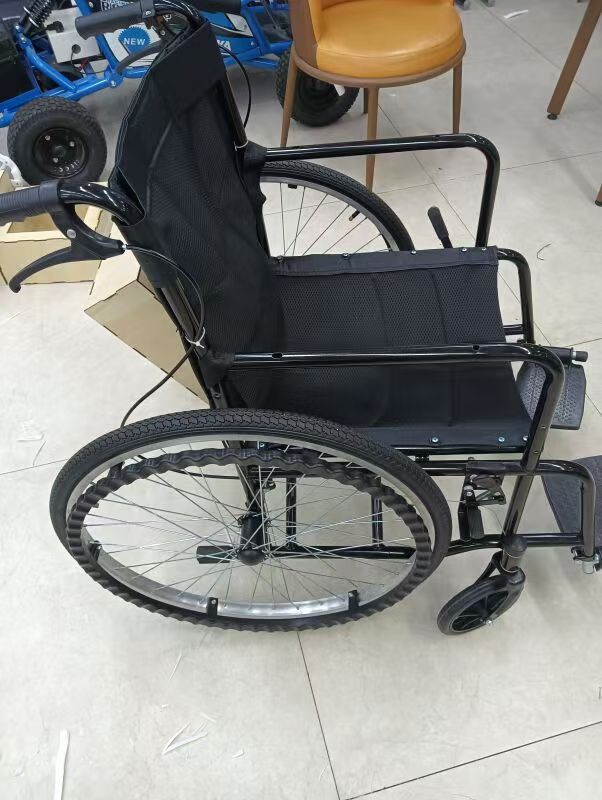
轮椅对行动不便者至关重要,可功能性与便携性的矛盾,一直阻碍着他们追求高品质生活。传统轮椅若追求便携,功能就大打折扣,使用者独自面对户外复杂路况,像坑洼、突然出现的人车,因无避障功能,极易摔倒,出行社交受限;若想功能多些,轮椅又变得笨重,护理人员搬挪费力,楼梯、窄道通行艰难。
我们精心研发的智能轮椅装置打破困境。它通用性强,适配各类轮椅,安装简易快捷,短短几分钟就能让轮椅升级。先进避障系统,靠高精度传感器与智能算法,让轮椅有 “感知力”,室内昏暗走廊、户外人流密集处,都能精准绕障,保障使用者自由穿梭。智能桌板设计巧妙,一键展开或收纳,用餐是稳固餐桌,阅读有舒适倾角,大大拓展使用场景,便利性飙升。
内置 GPS 定位,家人打开手机 APP 就能实时掌握使用者位置,遇突发可快速救援。轮椅遥控功能实用,陡坡、窄巷等难行路况,旁人遥控助力,出行更顺畅。凭借精巧结构与新型轻量化材料,安装后轮椅依旧轻便,完美平衡功能与便携性,解决诸多痛点。
研发团队持续关注试用反馈优化产品。

Q&A
Q: What is the customer need your innovation will address? ls there a social or environmental challenge you aim to take on?
A:Yes, our wheelchair kit will actively avoid obstacles, without the target customer’s active operation, will use artificial intelligence to control the movement.
Q: How is this problem solved today? Consider other products in the market.
A:Other wheelchairs use a monocular camera to detect obstacles by changing over a short period of time, or use the deformation grid method to locate obstacles,which can gradually transform as the objects in the scene change.
Q: What are the key characteristics of your innovation?
A:Our innovation is mainly in the way of use, the parts can be mounted on other wheelchairs, and we use binocular cameras to identify obstacles.
Q: What are the most important numbers that track your success?
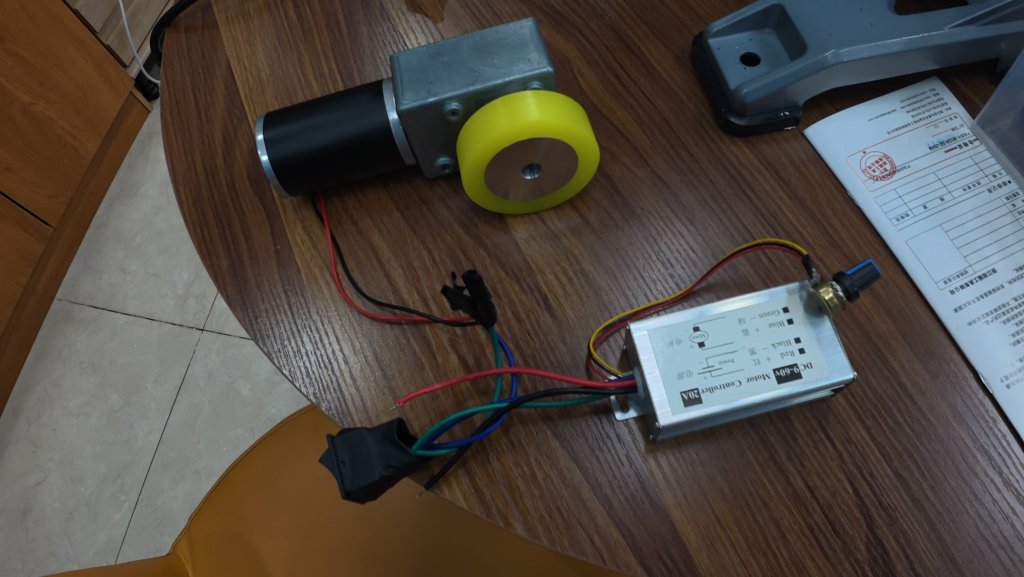
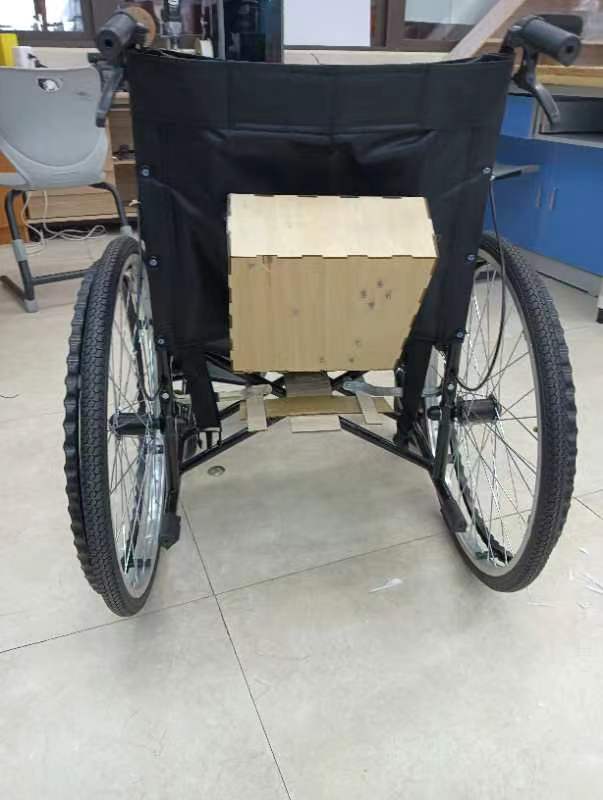
A:4, because we have four main kits installed on the wheelchair, namely Lidar, binocular camera, motor, motherboard.
Q: What makes your innovation different from what’s already in the market?
A:Our spirit of teamwork and mutual assistance, standing in the perspective of the disabled to observe, and hold a caring attitude.
Q: Whatis the tagline of your innovation?
A:Technology helps people with disabilities.
Q:Why will it be difficult for others to copy you?
A:Because we’re constantly innovating, inventing, and getting better.
Q: How will you sell your innovation to your customers? How will you deliver it?
A:The Internet, with the network of high-speed transmission and film to achieve the purpose of marketing.
Q: Who is the target audience that is served by your innovation? Describe them.
A:Those who want to replace their wheelchairs, add functions to their wheelchairs, or achieve obstacle avoidance at a low cost.
Q: Who will be your very first customers?
A:All those who need a wheelchair or are currently using one.
Q: What are your most significant costs?
A:Artificial intelligence operation and camera obstacle avoidance.
Q: How will you make money to fund your operations on an ongoing basis?
A:These wheelchair kit are sold for the purpose of continuous operation.
Engineering logs 工程日志
日志 date 2024/10/30
Member:Jack.l Charles Wesley Iris
如何减轻重量:
暂定方案:
将轮椅底座两边的铝片去除,解决底盘面积过大的问题,同时也减轻了轮椅的重量;再将椅背和坐垫的铝片更换成更加轻便的材料,减轻质量。
team分工:
jack.l: 设计轮椅的程序
下次要解决的问题:
轮椅的可拆卸化设计

日志 Date:2024/11/6
Member:Jack.l Charles Wesley Iris
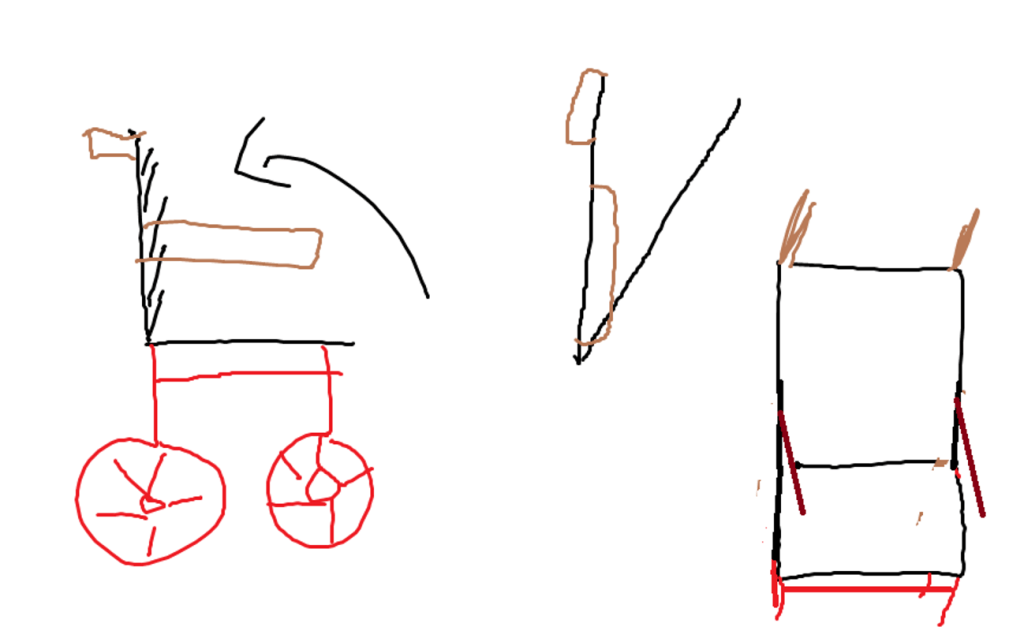
讨论:轮椅的构造方案
初步想法:设计成可拆分和折叠的智能轮椅
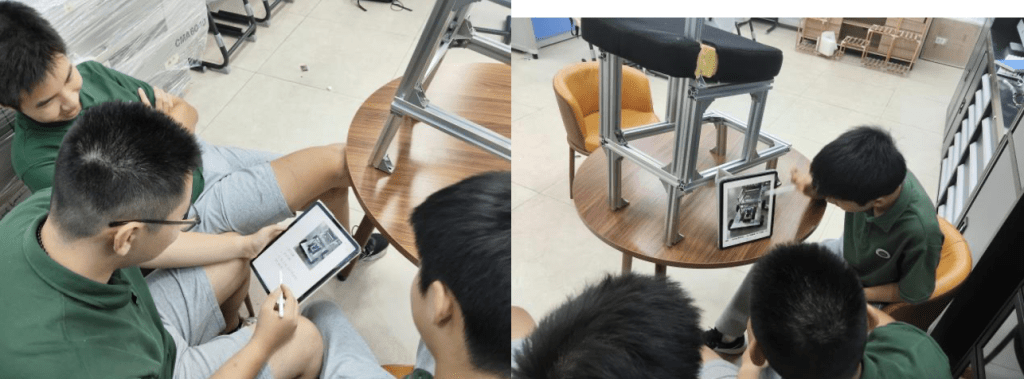
参考网上优秀的轮椅设计,在其中加入我们自己的想法;小组成员每人都设计一个方案,最后讨论选出最有创新的方案,并且以此方案为基础创建出融合我们创新观念的“新智能轮椅”
结论:
下面和座椅可以拆卸成三个部分,电机装在支架中
日志 Date:2024/11/15
Member:Jack.l Charles Wesley Iris
讨论:轮椅的发展方向
初步想法:组长认为我们的轮椅主体是轻便,智能,但是现如今市面上有很多很优秀的智能轮椅,但大部分的轮椅都只能取其一而舍其二,我们决定设计一个既轻便又智能的轮椅。 在翻阅了资料后我们发现那些智能轮椅往往因为过于注重智能而在轮椅上设计了太多的装置,这让轮椅的重量大大的增加,而且因为过多的装置导致轮椅的拆卸工作也非常的麻烦;而那些轻便的轮椅往往注重于轮椅的轻量化而舍弃了智能装置,虽然可以非常容易携带,但是在如今人工智能的时代过于的落后。
结论:我们想要设计一个既轻便又智能的轮椅就需要在两种设计方向中挑出最重要的部分,比如智能中我们选择了智能避障和GPS定位。而为了 能轻便携带,我们要将轮椅设计成可拆卸的或者可折叠的。
日志 Date:2024/11120
Member:Jack.l Charles Wesley Iris
讨论:
改变设计方向,注重于轮椅智能化的方案
结果:
第一目的:让残疾人安全出行
准备注重于改造轮椅,以普通的轮椅为基础,设计人工智能装置,主要要让我们的智能装置可以装在任意一个轮椅上,装上后就可以是普通的轮椅成为一个智能轮椅拥有多种功能:
1. 轮椅遥控
2. Gps定位,导航
3. 残疾人身体状态检测
4. 避障
日志 Date:2024/12/4
Member:Jack.l Charles Wesley Iris
讨论:
避障雷达的装载位置
结论:因为避障雷达放在左侧或右侧都会导致另一侧无法被探测到,放在上方会影响轮椅的美观和其他装置的放置,所以经小组讨论,我们选择将雷达放置在座椅下方,既可以全方位避障检测,也不会影响到其他装置的放置。
日志 Date:2024/12/10
Member:Jack.l Charles Wesley Iris
问题:
1.电机装载位置,电机需要装在轮子上边用小轮子带动轮椅,要与外部设计组交流讨论电机装在哪里可以在不影响外部设计的前提下装载电机。
2.可折叠桌板折叠方式
解决:
1.决定将电机装在扶手处,并且做成可伸缩的,以便适应不同间距的轮子。
2.可折叠桌板借鉴高铁扶手可折叠桌板,折叠后可以当作挡板,打开简单便捷,适合于轮椅使用者行动不便的需求
日志 2024/12/17
Member:Jack.l Charles Wesley Iris
主要目标:
摩擦轮的选择
结果:
通过对比摩擦轮之间的大小尺寸,与轮椅的适配度以及电机的输出功率,队长认为之前的摩擦轮不适配于轮胎,之前的摩擦轮对于轮椅来说比较小,会卡住链条,而大的摩擦轮无法和轮子兼容,所以选择了中等大小的摩擦轮。
日志 Date:2025/01/06
Member:Jack.l Charles Wesley Iris
组长Charles 分配了四个任务给小组成员:
1.lean Canvas stage
2.Innovation Stage Brief
3.Innovation Stage Video
4.Innovation Stage Website.
Wesley 需要完成 Innovation Stage Brief
Jack l 在设计避障雷达
Iris需要完成lean Canvas stage
日志 Date:2025/1/8
Member:Jack.l Charles Wesley Iris
主要目标:
Wesley:完成桌板设计
Charles:完成摩擦轮
Jack.L:需要将避障装置装在轮椅上并且测试
Iris:需要设计智能轮椅装置的海报
日志 Date:2025/1/9
Member:Jack.l Charles Wesley Iris
主要目标:电机的安装
解决:我们团队用3d打印的技术打印出了一个电机外壳用来固定电机,解决了电机的外壳,我们开始商讨电机的装载位置,在许多次的试验过后,我们终于找到了一个既不影响美观又不干扰其他装置装载的位置
Relevant Information
Project Name:
Uranus Wheelchair KitsMember:
张树诚 ZHANG SHUCHENG
李伟平 LI WEIPING
陳嘉昕 HSIN CHEN,CHIA
梁致轩 LIANG ZHIXUANAdvisor:
吴魁WU KUISchool:
威睿达思国际学校深圳校区 Veritas Collegiate Academy -
The Transformable Wheel
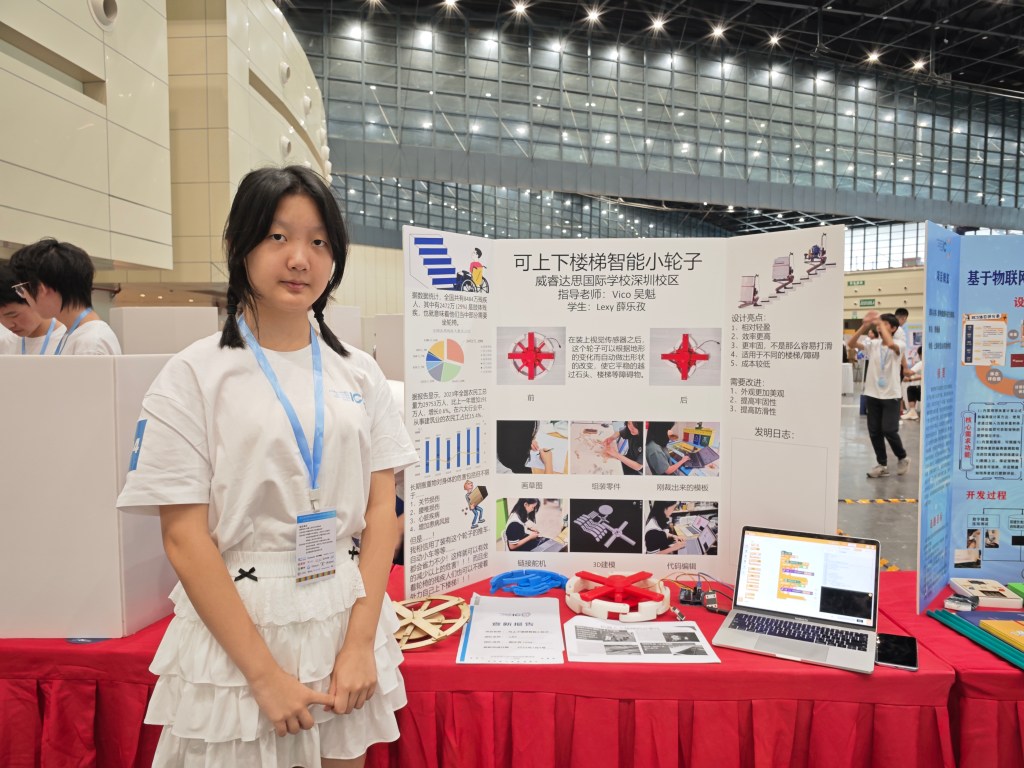
1. Elevator Pitch
Our innovation, the transformable wheel, is a groundbreaking development in the field of industrial transportation. It is designed to overcome the limitations of traditional wheels when faced with complex terrains such as stairs or uneven ground.
The core technology of our wheel involves a unique three-level gear system integrated into the axle, which allows the wheel to maintain its circular form on flat surfaces while providing the necessary articulation to climb stairs or traverse obstacles.
1)Design and Technology:
The design of the transformable wheel is both elegant and functional. It features a central axle with three distinct gear levels that engage with a turning table. This turning table is the heart of the innovation, controlling the wheel’s shape-shifting capabilities. When the vehicle is on flat ground, the wheel operates as a standard wheel, providing smooth and efficient movement.However, when faced with stairs or uneven terrain, the turning table activates the gear system, allowing the wheel to adjust its angle and conform to the terrain.
2)New or Proprietary Aspects:
The three-level gear system on the axle is a novel approach that has not been seen in traditional wheel designs. This system, along with the turning table mechanism, is proprietary to our innovation. We have invested significant research and development to ensure that these components work seamlessly together, providing a reliable and durable solution for various transportation challenges.3)Meeting Needs and Resolving Pain Points:
The transformable wheel meets the need for a versatile transportation solution that can adapt to different environments. It resolves the pain point of traditional vehicles that are unable to navigate stairs or rough terrain, which is a common issue in industrial and construction settings. By providing a wheel that can change its shape, we are enabling vehicles to access areas that were previously inaccessible, thus increasing operational efficiency and reducing the need for manual labor.4)Impact on Users and Humankind:
The impact of our innovation is twofold. For individual users, it offers a more efficient and safe way to transport materials in challenging environments. For humankind, it represents a step forward in transportation technology, potentially leading to new applications in various fields such as rescue operations, agriculture, and even space exploration. Quantitatively, we expect to see a reduction in transportation-related accidents and an increase in the speed of material handling. Qualitatively, it will empower individuals and industries to tackle tasks that were once deemed too difficult or dangerous.5)Protection and Value of Proprietary Aspects:
To protect the proprietary aspects of our innovation, we are pursuing a patent for the three-level gear system and the turning table mechanism. These patents will legally safeguard our intellectual property and prevent unauthorized replication. Additionally, we plan to maintain certain aspects as trade secrets, further enhancing the security of our technology.By establishing a strong legal framework and controlling the dissemination of our technology, we ensure that our innovation remains competitive and valuable in the market.In summary, the transformable wheel is an innovation that addresses a significant gap in the market for industrial transportation. Its unique design and technology provide a solution to complex terrain navigation, offering a safe and efficient alternative to traditional wheel systems.
The proprietary nature of our technology, combined with strategic legal protections, positions our innovation as a leader in the field, with the potential to create a lasting impact on how materials are transported in challenging environments.
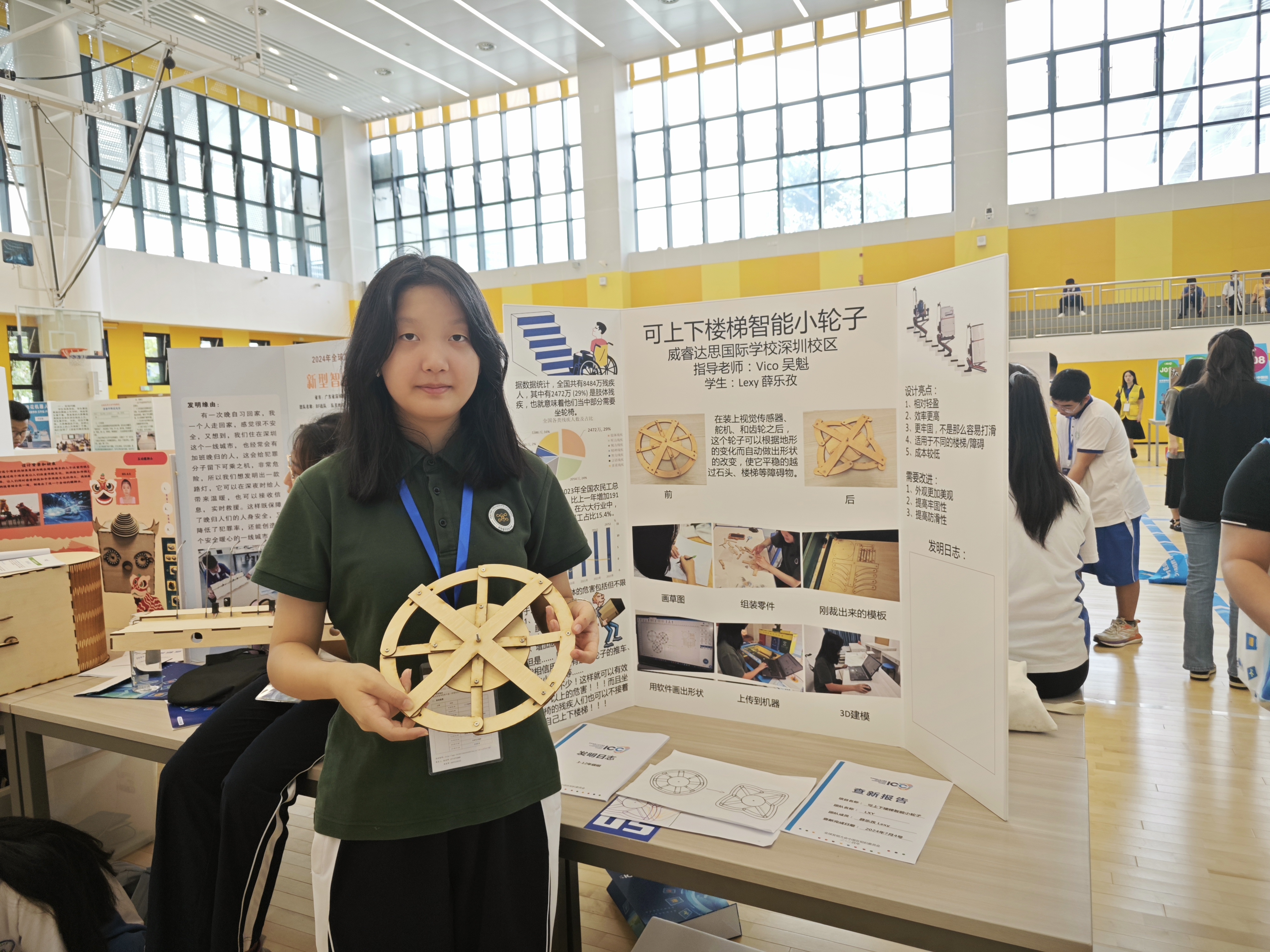
2. Team
Our team formed through a shared vision to revolutionize industrial transportation. Each member brings unique skills: the lead engineer specializes in mechanical design, the project manager excels in logistics and operations, and the other two members contribute significantly in aesthetic vehicle design and material assembly.

We were motivated by the industry’s need for a versatile, efficient, and safe material handling solution. Our collective experience in engineering, logistics, and finance provides a strong foundation for developing and implementing the transformable wheel innovation.
3.Opportunity
1)Efficient Handling of Heavy Loads:
The innovation is designed to effortlessly transport heavy industrial materials. By doing so, it significantly enhances efficiency and reduces the labor costs. This is particularly beneficial in environments where heavy lifting is a routine part of operations, such as warehouses, construction sites, or manufacturing facilities.2)Adaptability to Varied Terrains:
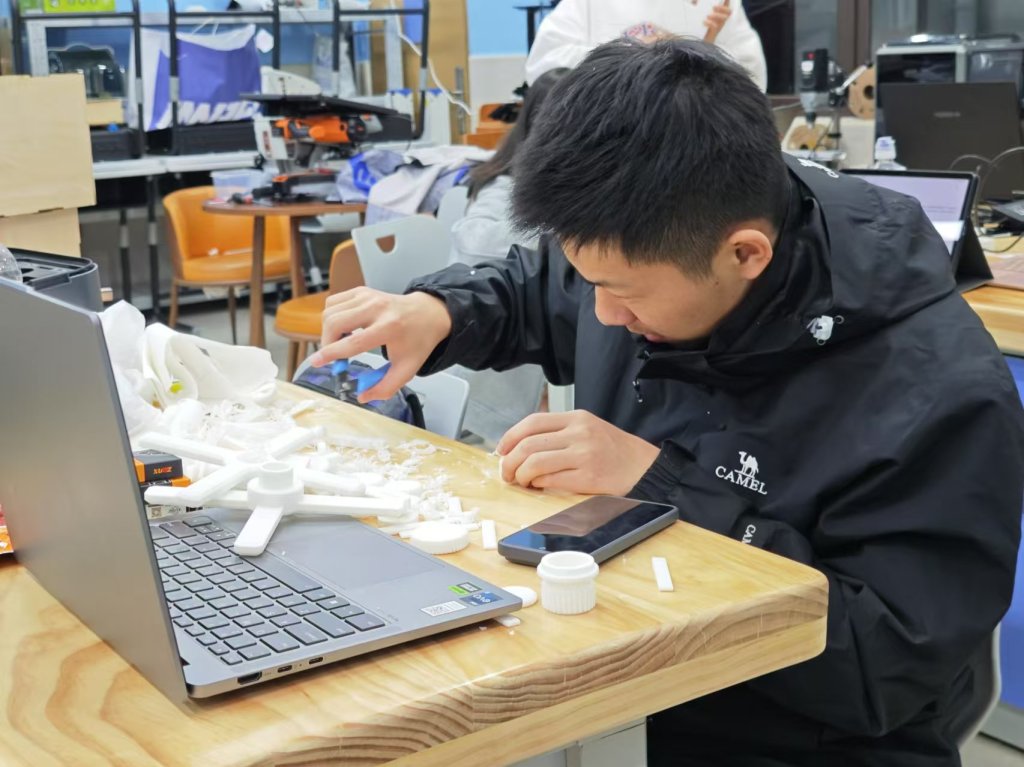
The transformable wheel’s ability to adjust its angle through the use of servos allows it to navigate a wide range of terrains, including stairs, which are a common challenge for traditional wheeled vehicles. This adaptability ensures that the vehicle can operate in diverse settings without the need for multiple types of equipment, thus increasing its utility.3)Cost-Effectiveness through 3D Printing:
The use of 3D printing technology in the manufacturing process of the transformable wheel leads to a significant reduction in production costs. This not only makes the innovation more accessible to a broader range of businesses but also supports the principles of lean manufacturing and sustainability. The lower cost of production can also translate into a quicker return on investment for companies that adopt this technology.4)Innovation in Mobility Solutions:
The transformable wheel represents a new approach to mobility, offering a versatile solution that can be adapted to specific needs. This innovation could potentially revolutionize the way heavy materials are transported, making the process safer, more efficient, and more cost-effective.5)Potential for Further Development:
The concept of a transformable wheel opens up possibilities for further technological advancements. It could inspire the development of additional features or be integrated into larger systems that enhance the capabilities of industrial vehicles.In summary, the transformable wheel innovation addresses the pain points of efficiency, adaptability, and cost in industrial transportation, while also offering a foundation for future technological developments in the field.
4.Key Metrics:??Tracking success with metrics such as load capacity, stair-climbing efficiency, and durability under heavy loads.
5.Validation/Progress:
1)Prototype Development:
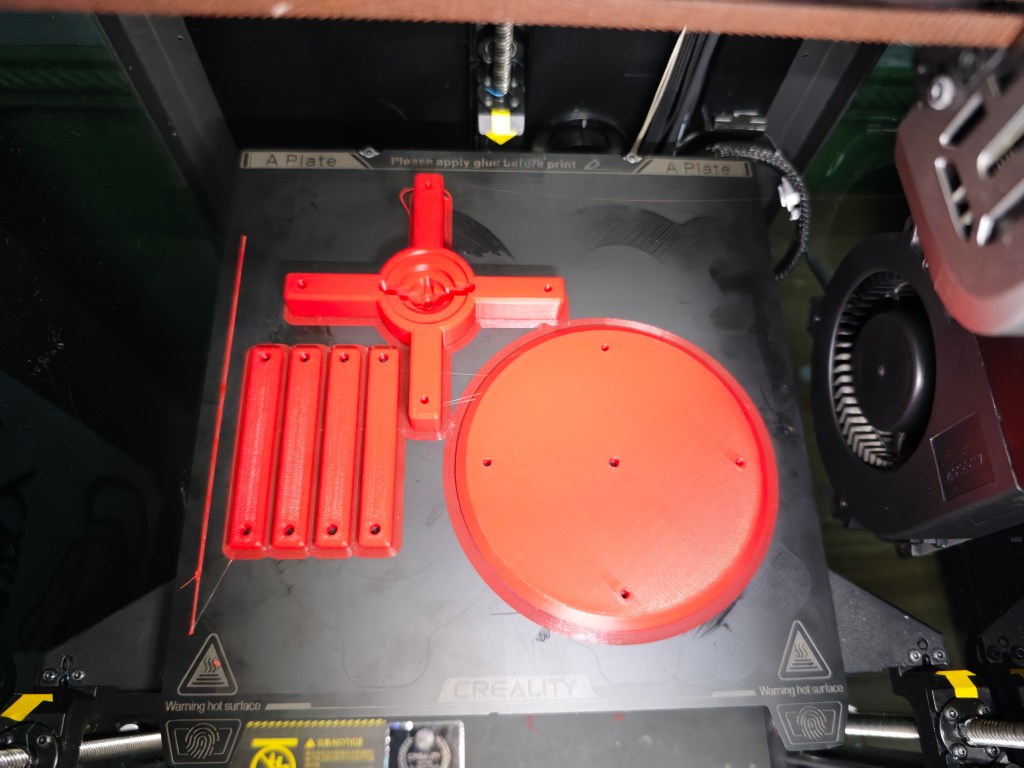
Following the design phase, a series of prototypes were developed using 3D printing technology. This allowed for quick iteration and testing of different design aspects, such as the wheel’s structural integrity, the mechanism for angle adjustment, and the integration of servos for control. The prototypes were made from a variety of materials to test their performance and wear resistance.
2)Laboratory Testing:
The prototypes underwent rigorous laboratory testing to validate their performance. This included testing the wheel’s ability to handle heavy loads, its maneuverability on different terrains, and the reliability of the angle adjustment mechanism. Data was collected on load capacity, maneuverability, and the lifespan of the components under stress.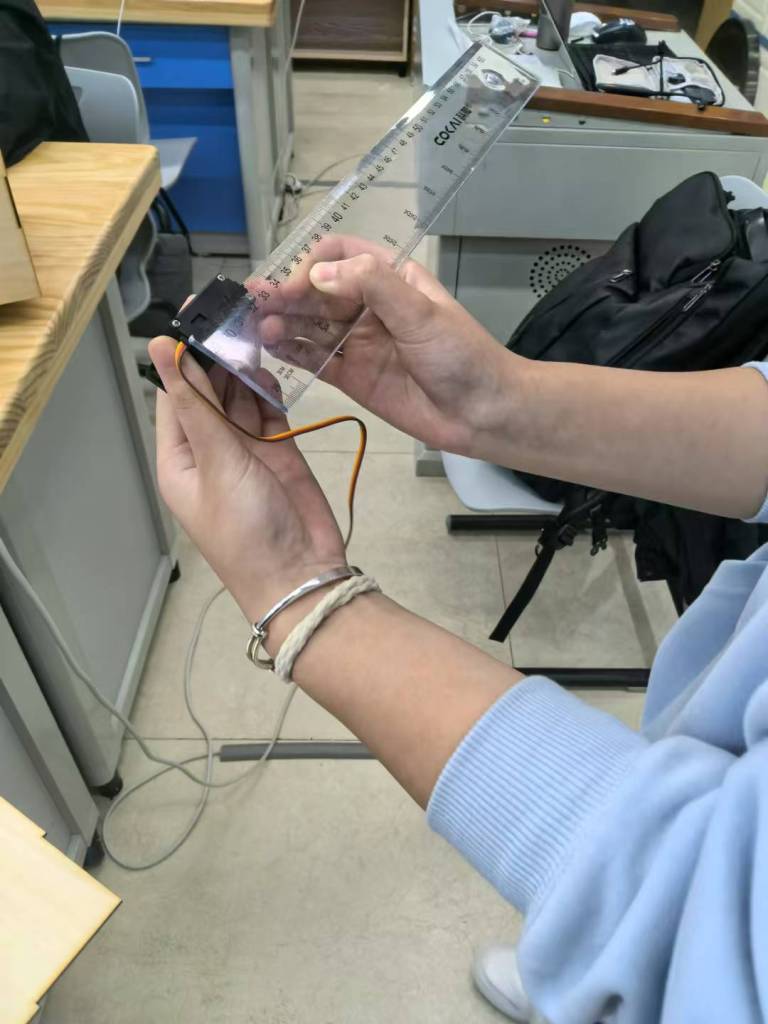
3)Field Trials:
Beyond the controlled environment of the lab, the prototypes were tested in real-world scenarios that simulated industrial settings. This included navigating over stairs, uneven ground, and carrying heavy loads. The field trials provided valuable insights into the practical challenges and limitations of the design, which were then used to further refine the prototypes.4)Feedback and Iteration:
Throughout the development process, feedback was gathered from potential users, industry experts, and the development team. This feedback was critical in identifying areas for improvement and in guiding the next stages of development. The team iterated on the design, incorporating the feedback to enhance functionality, reliability, and user-friendliness.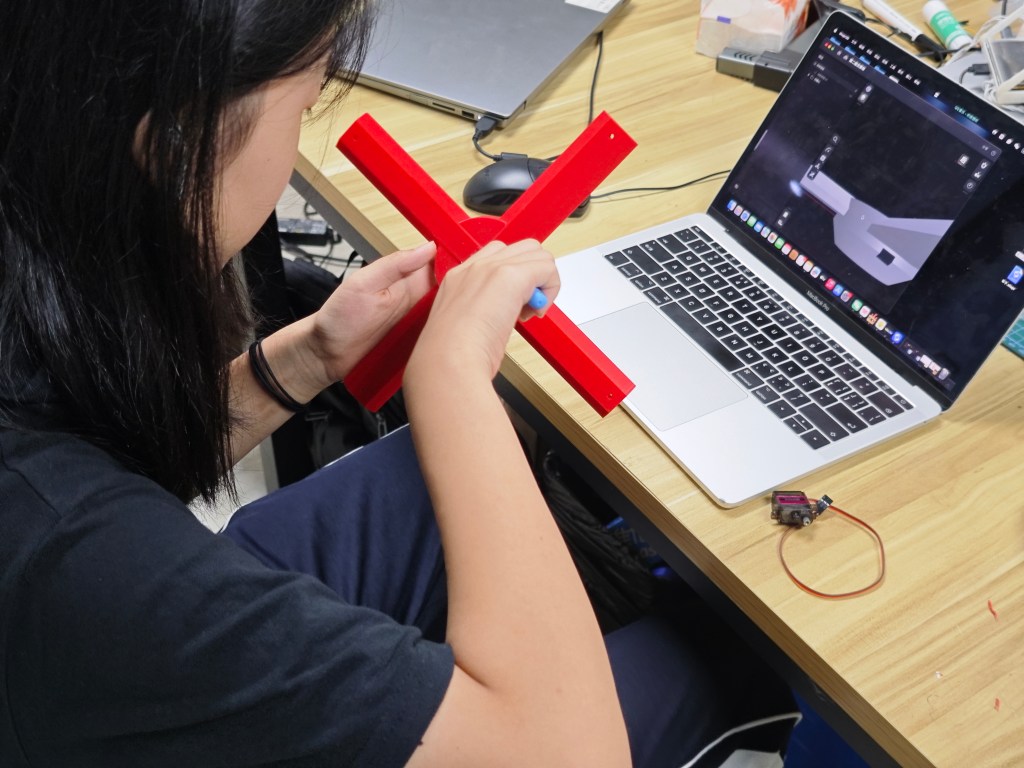
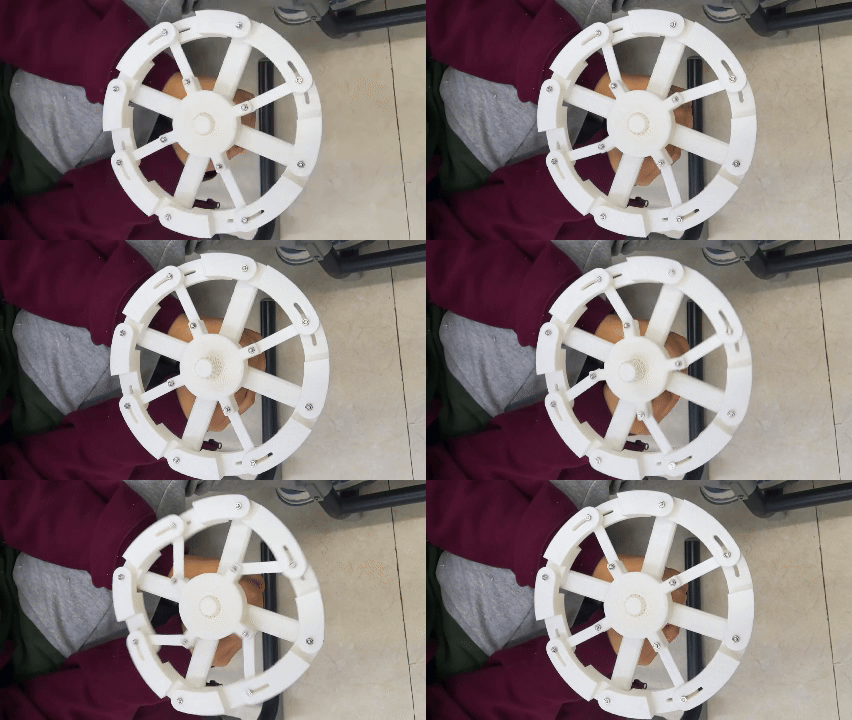
5)Technology Integration:
The team also focused on integrating the latest technological advancements into the wheel’s design. This included the use of advanced materials for the wheel’s construction, the implementation of smart sensors for load monitoring, and the development of a user-friendly control system for the angle adjustment.6)Progress Made:
The team has made significant progress in developing the innovation. The current prototype is capable of handling loads up to several hundred kilograms, adjusting angles on command, and navigating stairs and uneven terrain with ease. The control system is being refined to ensure smooth and precise operation, and the team is exploring options for scaling up production to meet industrial demands.In summary, the validation and development of the transformable wheel have been a comprehensive process involving design, prototyping, testing, and iteration. The team has made substantial progress, and the innovation is now at a stage where it shows promise for practical application in various industrial settings.

6.Market
The target market for our transformable wheel innovation encompasses industrial manufacturers, construction companies, and logistics firms. These customers are in constant need of reliable and efficient methods to transport heavy materials, particularly in environments that present challenges such as uneven terrains and obstacles like stairs.
Our innovation is designed to address these pain points by increasing operational efficiency, reducing labor costs, and enhancing safety standards, which are critical factors for our customers.
The market opportunity is significant, with the global industrial machinery market. This growth is driven by the increasing demand for automation and efficiency in industrial processes.
Our innovation complements existing machinery and sets a new standard in material handling, filling a gap in the market for a versatile wheel system capable of navigating diverse terrains.In this market, the buyers and payers are often the operations managers or procurement departments within these companies. They are looking for solutions that can improve their bottom line by reducing costs and increasing productivity.
Our innovation offers a competitive edge by providing a unique value proposition that is difficult to replicate, ensuring a strong market position.The industry ecosystem is dynamic, with a constant push for innovation and efficiency.
Our transformable wheel is poised to become a key component in this ecosystem, integrating with existing systems and offering a scalable solution for a wide range of applications.
By focusing on these target segments, we aim to capture a substantial share of the market and drive the adoption of our technology across various industries.
7.Competition
High Level Concept:Innovate Transport:Climb,Carry,Conquer.
1)Innovation Description:
The Transforming Wheel is a new tool for moving heavy stuff in factories or on sites. It has wheels that can change their angle to go up stairs or over bumps. This makes it easy to carry heavy things without a lot of people or big machines.Our innovation targets industrial sectors such as manufacturing, construction, and logistics. These are businesses that frequently handle heavy materials and require efficient, reliable transportation solutions that can adapt to various terrains, including stairs and uneven floors.
2)Customers:
We target industrial manufacturers,construction firms,and logistics companies in need of robust,versatile transportation solutions.3)Business Potential:
With a growing market for efficient industrial transport,TMW offers a competitive edge.Its unique design has potential in agriculture,mining,and robotics,promising significant growth and partnership opportunities.4)Competition:
The TMW competes with traditional rigid wheels,tracked vehicles,and emerging autonomous transport systems.While rigid wheels are common,they are not as adaptable.Tracked vehicles can handle rough terrain but are less maneuverable and more expensive to maintain.Autonomous systems are new and may lack the reliability of TMW.5)Advantages:
• Versatility:One vehicle for all terrains,reducing the need for multiple machines.
• Efficiency:Faster operations with no need to switch equipment.
• Safety:Minimizes risk by avoiding multiple handling of heavy loads.6)Disadvantages:
• Complexity:May require specialized maintenance.
• Cost:Initial investment is higher due to advanced technology.
• Durability:Potential for increased wear and tear.7)Positioning:
Positioned as a high-end solution for industries needing flexible,efficient transport.Ideal for manufacturing,construction,and logistics,where adaptability is key.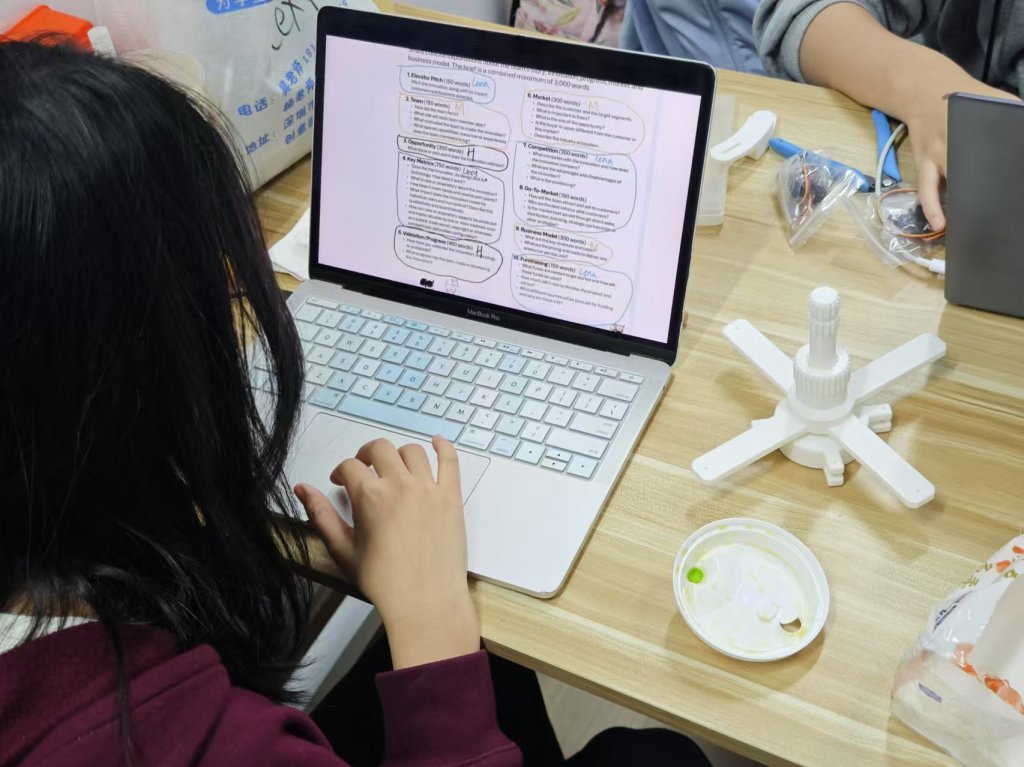
8.Go-To-Market
Our innovation’s intricate structure and ingenious design make it challenging to replicate. The complexity of the mechanical components and the precision required in assembly serve as significant barriers to imitation, ensuring a unique market position.
We will market our innovation through industry trade shows, online marketing, and direct sales to key industrial clients. Delivery will be managed through our established logistics network, ensuring efficient and timely distribution to customers worldwide.
1)Attracting and Selling:
We’ll use online ads,social media,and industry events to show how the Transforming Wheel makes moving heavy stuff easier.We’ll also reach out directly to businesses that could use our product.2)Initial Customers:
Our first customers will be companies that work with heavy materials,like factories and construction sites.They have a lot of heavy things to move and could really use our wheel.3)Selling Strategies:
We think it’s best to sell directly to businesses and also work with other companies as partners.This way,we can make sure our customers are happy and also get our product out there faster.9.Business Model:
The key revenues will come from the sale of the transformable wheel systems, licensing of our technology, and providing maintenance and support services. Our costs include research and development, manufacturing, marketing, and customer support. To deliver one product unit, we will incur costs for materials, labor, and quality assurance. Our pricing strategy will be competitive, reflecting the value of increased efficiency and safety our innovation offers.
We aim to balance affordability with a premium for the advanced technology. The business model is designed to be scalable, allowing us to expand production and distribution as demand grows. We will also explore partnerships with industrial equipment manufacturers to integrate our wheel systems into their products, further expanding our market reach.
10.Fundraising Strategy
1)Startup Funds:
We need initial capital for product development and operational costs like hiring and marketing.This will be spent on creating prototypes and setting up our business.2)Development and Rollout Cost:
It will cost around500,000 to develop the Transforming Wheel and get it ready for customers.3)Funding Sources:
We plan to get money from venture capitalists,who can give us a lot of money and help us grow,and angel investors,who can offer advice and connections.We might also look for government grants to support our innovative product.Each of these sources can help us in different ways to make our business successful.4)Early Adopters:
Our first customers will be forward-thinking companies in manufacturing and construction that value innovation and are eager to enhance efficiency. They are likely to be mid-sized firms with the flexibility to integrate new technologies and the resources to invest in advanced equipment.11.Cost Structure:
Our most significant costs include R&D for continuous improvement, the procurement of high-quality materials for durability, and the initial investment in manufacturing equipment. We also allocate for marketing to reach our target audience and customer support for post-sale services.
12.Revenue Streams:
We will generate revenue through the sale of our transformable wheel systems, licensing our proprietary technology, and offering maintenance contracts. Additionally, we plan to create a service model for on-demand repairs and customizations, ensuring a steady income stream.
Relevant Information:
Project Name:
可上下楼梯智能小轮子The Transformable WheelMember:
薛乐孜 XUE LEZI
陈嘉铭 CHEN JIAMING
何凯璇 HEKAIXUAN
贺然 He RanAdvisor:
吴魁WU KUISchool:
威睿达思国际学校深圳校区 Veritas Collegiate Academy -
基于肌电感应的智能仿生手臂
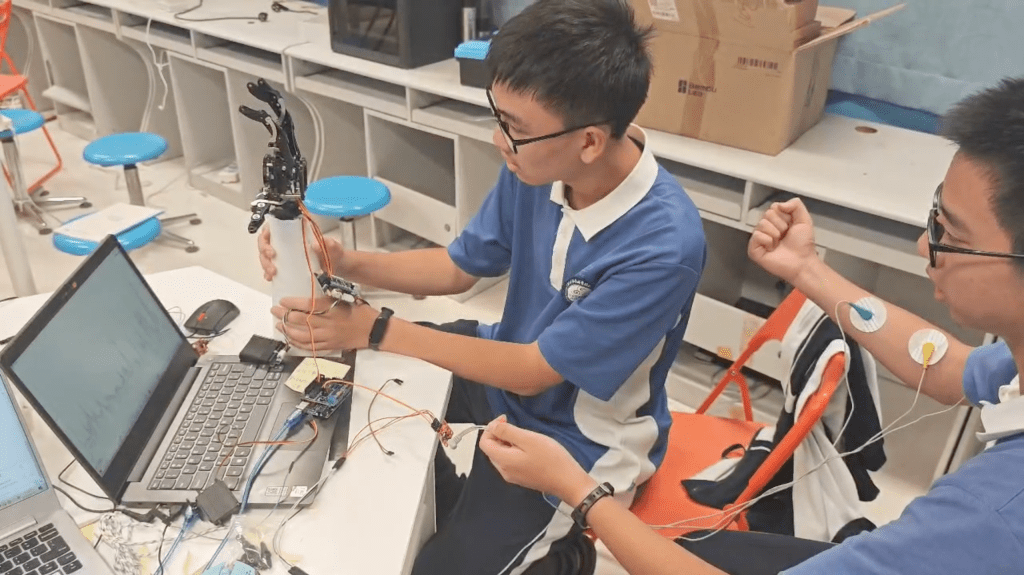
你好!我是Yifan Zhang,这是我和伙伴Kaibin Liu和Enzhi Huang共同完成的项目,它是一个仿生机械手臂,以下是我们的发明过程分享。
有次我在新闻里看到一个独臂青年的报道,身体的残缺并没有侵蚀他对生活的热爱,在不借助外力的情况下,他能够独立完成衣食住行各个方面,当时我很受感动。
但实际生活中,并不是每位残障人士都能像这位青年这样,有能力通过自身力量维持相对便利的生活。
便利,这个关乎生活日常的基本需求,让不少残障人士深受困扰。
我们希望能发明一个灵敏的仿生手臂,帮助人们完成日常生活中看起来不起眼的任务,从生活细节着手,为人们创造便利生活的可能性。研究方法
1)调研:
主要有网络查找资料,调研,观看新闻、报刊了解残疾人生活主要困扰。
2)制作:
迭代三代升级,不断优化技术和性能。
3)技术:
3D设计,CAD绘制切割图、Arduino编程。
4)实验:
通过控制变量法进行运动和感应数据的匹配实验。研究过程
1)确定主题、制作路径,绘制思维导图。
2)第一代版本原型实验,发现机械结构不稳定。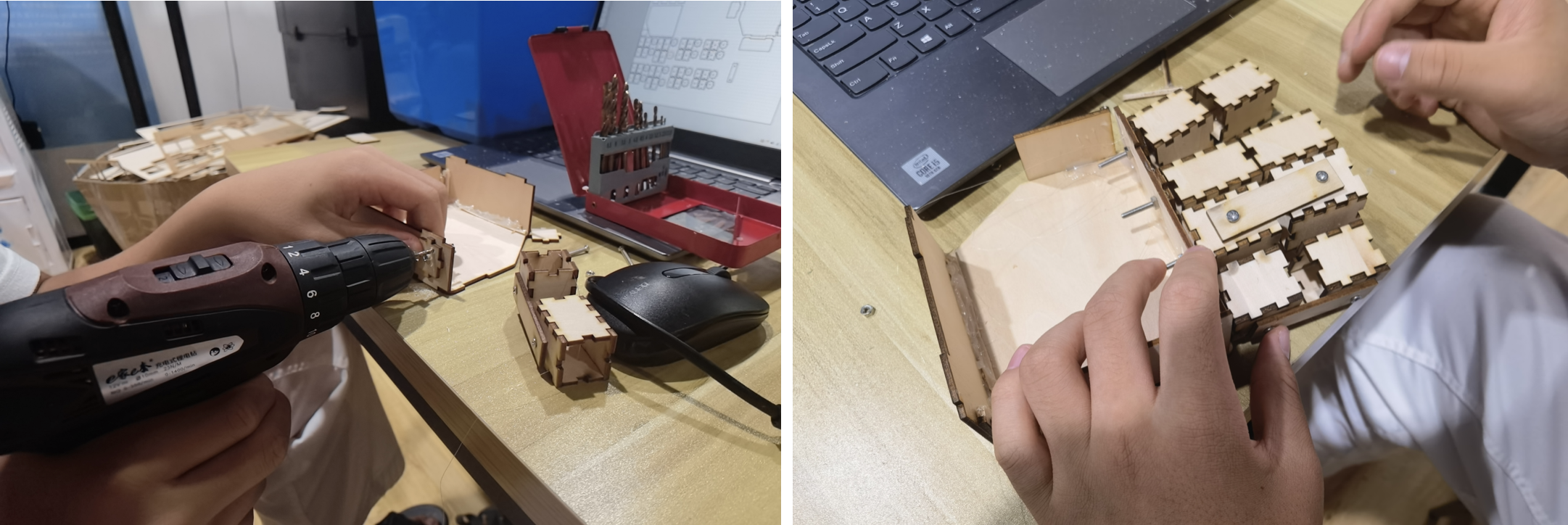
3)第二代原型制作,利用开源3D模型制作手掌机械结构。手指无法正常伸缩,需要进一步调整机械结构。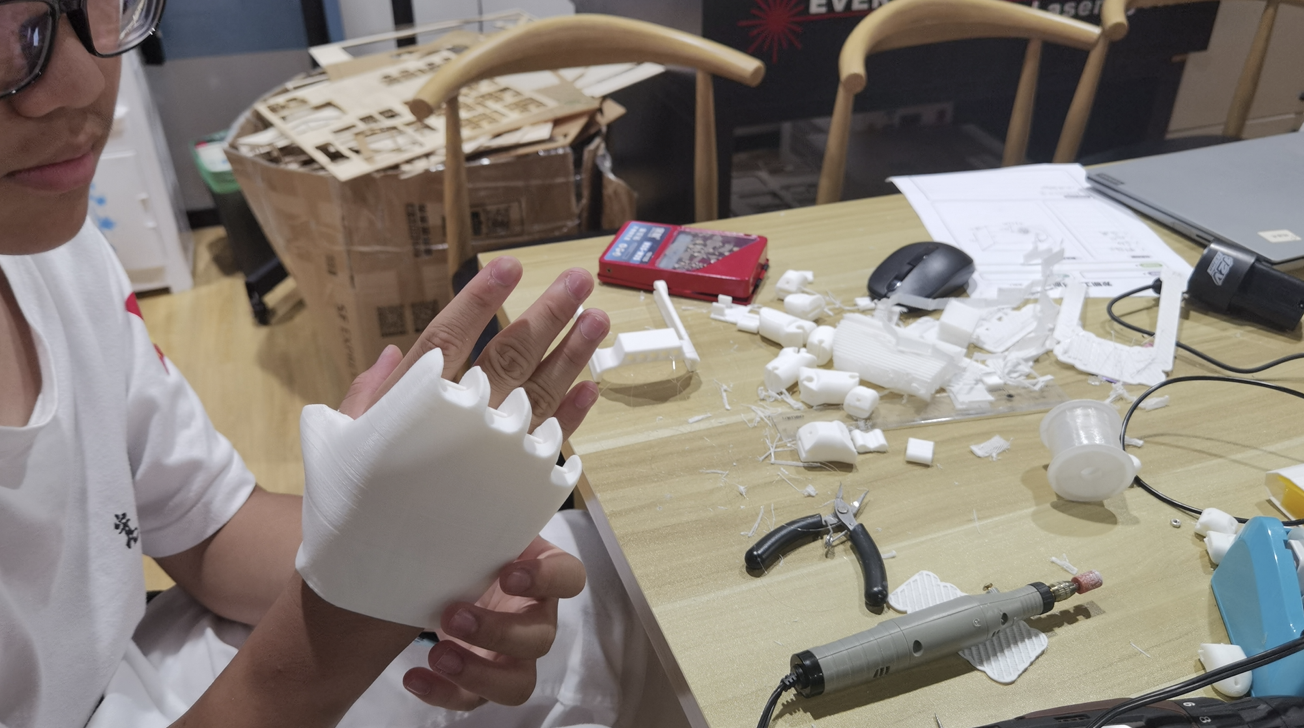
4)经过调研,手指的结构是联动课可以弹回的结构,使用激光切割快速重新测试原型,并使用Arduino编程,可以正常运作。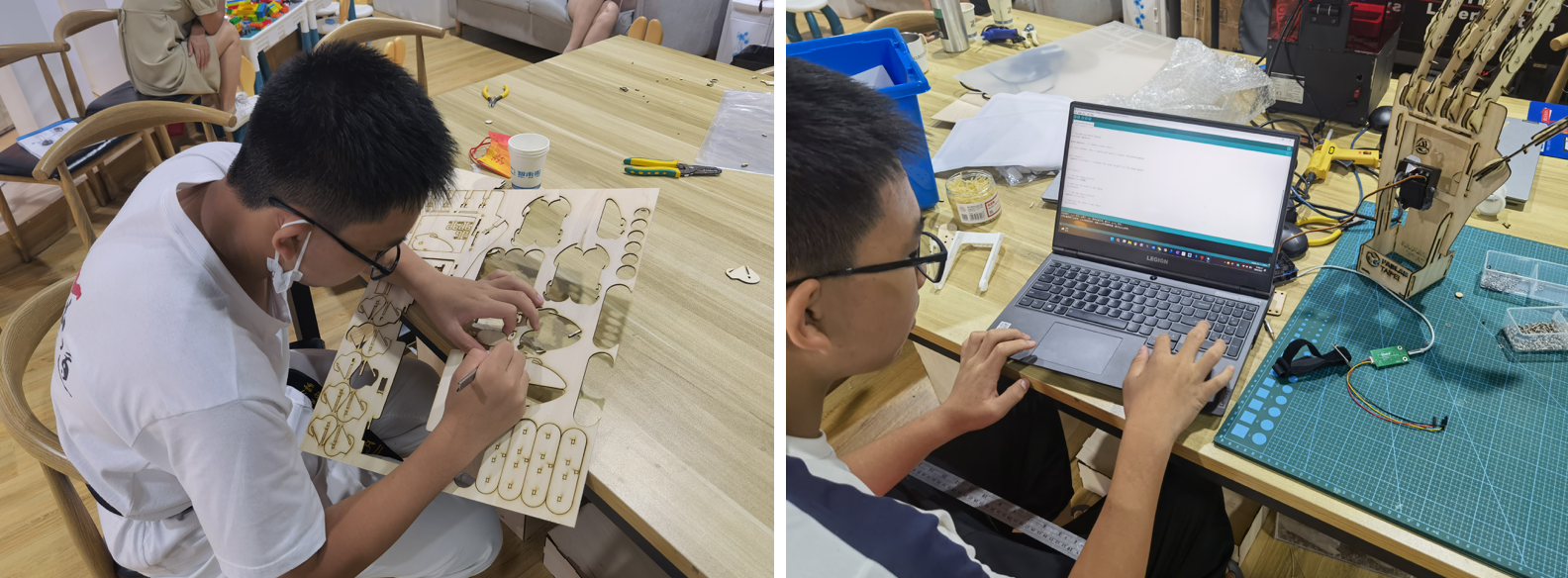
5)结合前三代原型,总结问题,并重新设计手掌,手腕结构,舵机连接件等。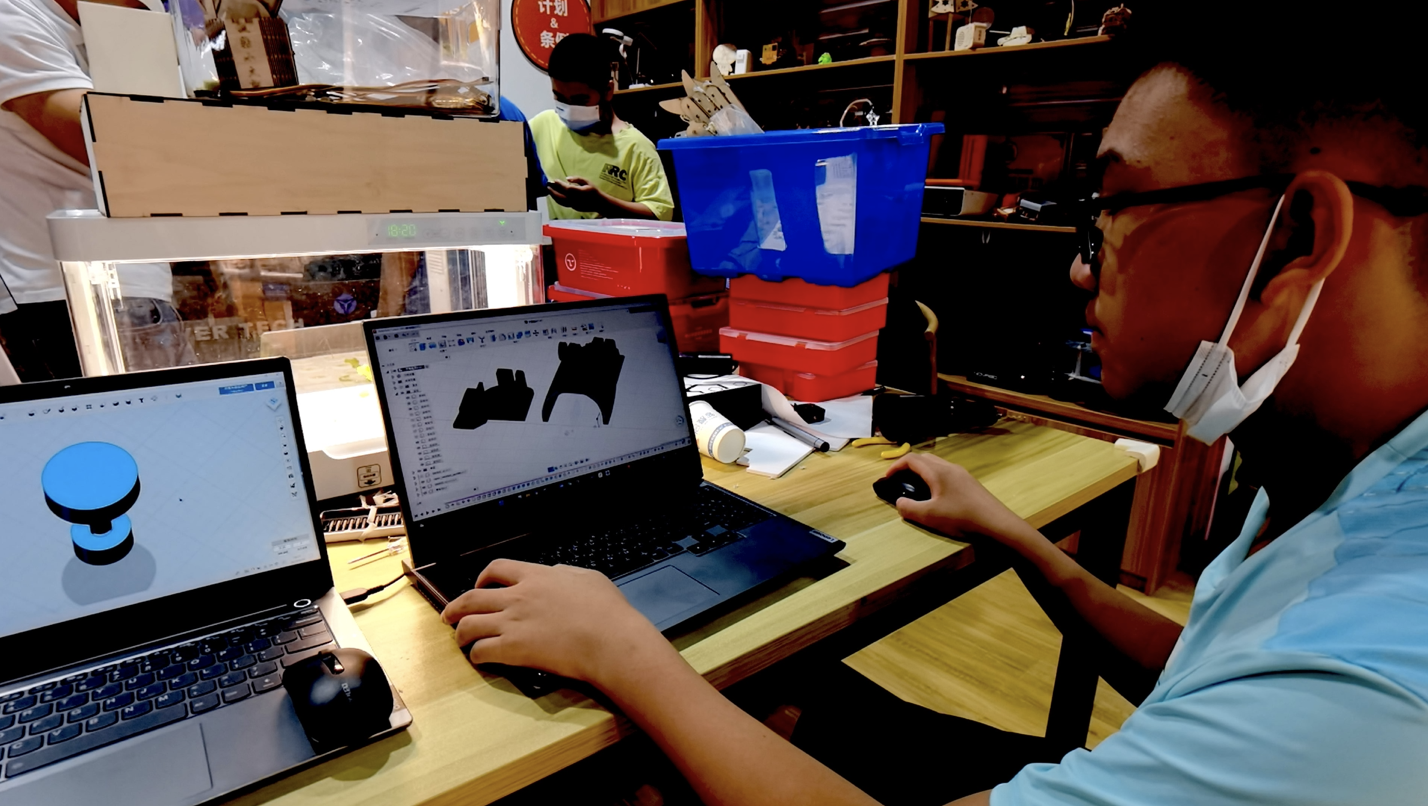
6)安装、焊接、测试、绑线,调试。
7)设计肘部结构。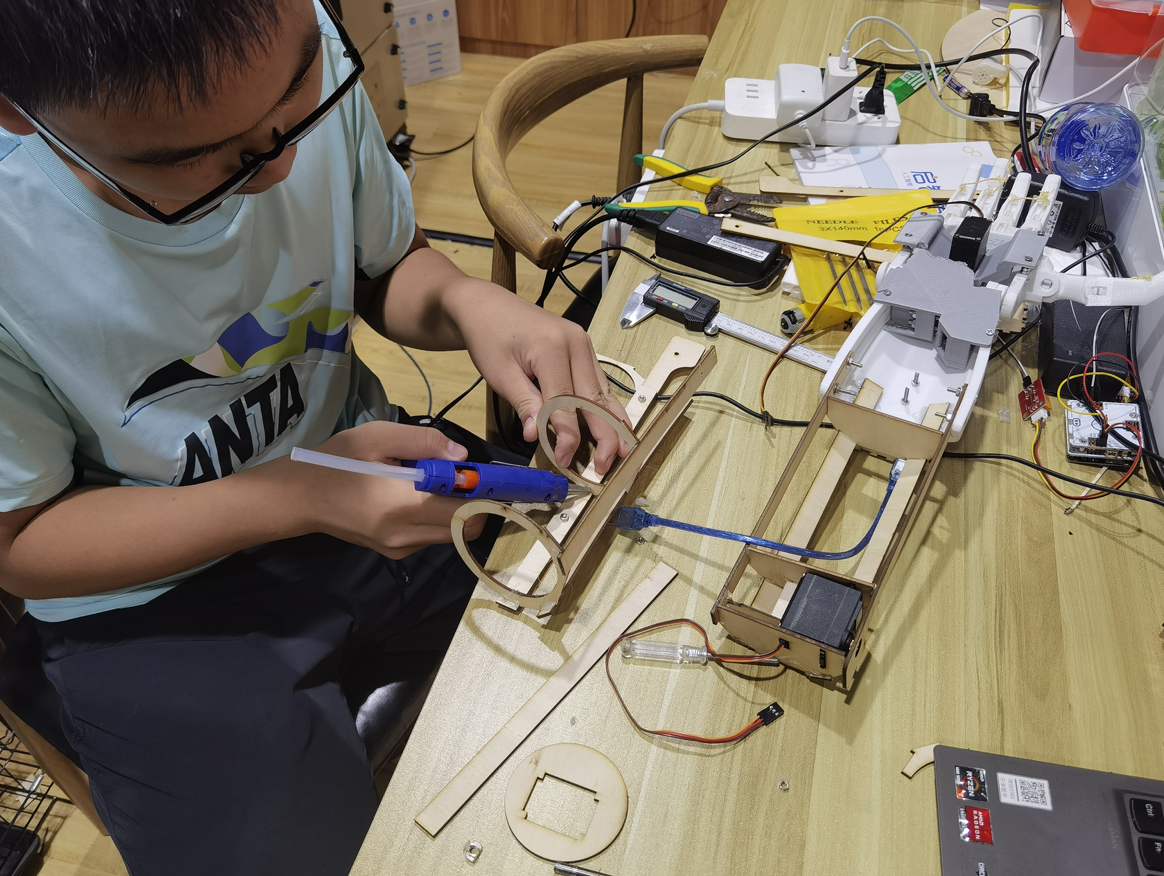
8)整体完成。
9)编程,测试肌电信号,并成功实验。
10)第三代迭代升级。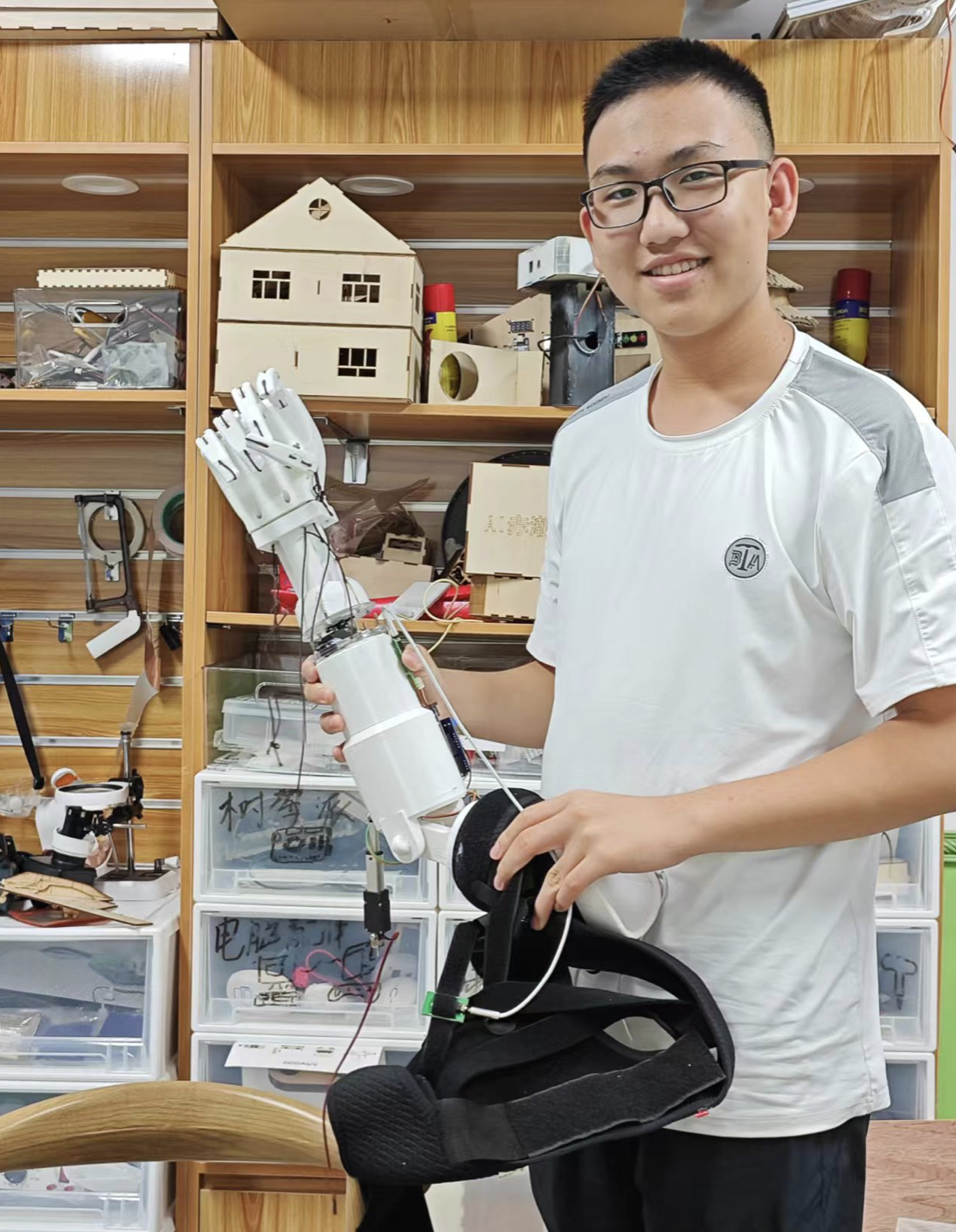
肌电传感器原理介绍
项目中选择了干电极肌肉电EMG传感器,其具有使用寿命长久、应用范围广、操作相较于同种传感器更简单等优点,其原理如下图。
成果展示
[视频]2024年10月
ZhuoYu Maker Education -
我的第一个项目

相关链接:我用Micro:bit、Boson套件把公司Logo做成了抱枕
万圣节突发奇想
照着DFRobot的公司logo做了一个抱枕
这个抱枕能发出奇异的光和声音,两只眼睛在告诉你我可不是好惹的。
做成这个抱枕,只要三步:
第一步:用激光切割机裁剪出合适大小的两块布。
https://mc.dfrobot.com.cn/source/plugin/onexin_html5player/open/youku/html5player.html?vid=XNDAxMzE2OTg0NA==&autoplay=false
感谢Qin提供的Logo的AI文件,这样我就可以在该文件基础上进行修改,然后将触角加粗。
加粗加大触角之后,利用雷宇激光的软件,laser maker–链接将原始的图变成矢量的线图。
这样激光切割机就会按照轨迹进行切割。
所以Get新技能,激光切割机不仅仅可以切割木板材料,也可以切割软性的布料,注意被切割过的的地方会粘着在金属网上,而且要避免使用易燃布料。
前面一片嘴巴和眼睛两个洞被掏出,后片留出一条5mm的缝,用来装拉链。
第二步:装上漫射眼睛和黑布嘴巴
视频:制作过程
因为直接使用灯带的LED灯做眼睛会显得很不自然,所以使用一块白布遮罩,然后用灯带在内部打侧光。
灯带怎么在内部打侧光?其实只要使用泡沫材料掏空成眼睛的框框形状,然后将灯带固定在框内。
嘴巴的部分,本选择的是黑色绒布,但是和抱枕本身的亚麻布料硬度不同,一开始缝在一起感觉非常不搭,而且容易变形。后来想了个办法,用亚麻布料做底衬,保证嘴部布料的硬度。
第三步,使用Mind+编程
https://mc.dfrobot.com.cn/source/plugin/onexin_html5player/open/youku/html5player.html?vid=XNDAxMzE2OTgzNg==&autoplay=false
使用了Micro:bit板子,两个灯带分别插在板子两侧,然后分别使用角度传感器控制眼睛的颜色,用人体红外运动感应器、声音传感器探测人的存在并且作出反应,用声音录放模块发出事先录好的声音。
编程截图
来看一下整个过程视频吧开场图片2.jpg (107.75 KB, 下载次数: 30)
-
世界,您好!
欢迎使用 WordPress!这是您的第一篇文章。编辑或删除它,开启您的博客之旅。
首页
 ZhuoYu Maker Education